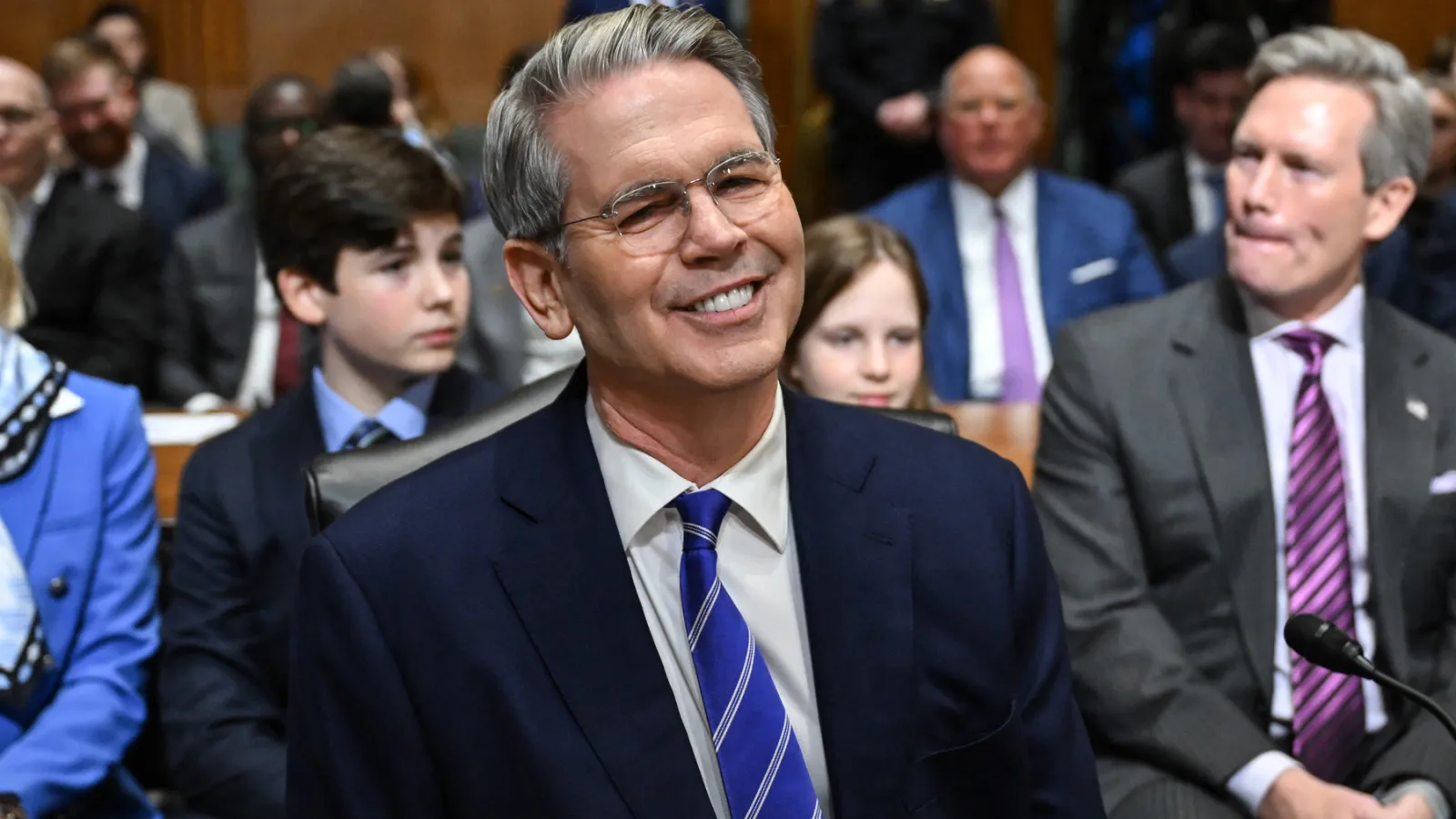
Treasury Secretary Scott Bessent defended President Trump's 2027 budget before the Senate Finance Committee on Wednesday, saying tax cuts, deregulation and trade policies are helping to grow the economy.
The hearing came as many Americans continue to face high borrowing costs, expensive housing and lingering questions about whether recent economic gains are strong enough to ease pressure on household finances.
Bessent pointed to massive tax refunds, millions of newly created Trump accounts, trade deficits and increased investment in manufacturing as evidence that the White House's economic strategy is working. He told lawmakers that extending the executive tax cut helped prevent what he described as a history of tax hikes while allowing workers and families to keep more of their money.
Proponents argue that lower taxes, fewer regulations and a strong domestic manufacturing base should create the conditions for rapid growth. Still, the continuation of all three policies reflects lingering doubts about how strong the expansion could prove to be. Although headline indicators have improved in some areas, many families are still making careful spending decisions as the high cost of living continues to drain a large portion of their monthly income.
Housing is always one of the clearest examples. Home ownership is still out of reach for many first-time buyers, while it has been lifted interest rates they have kept the cost of money above the levels Americans were used to before the inflation of recent years. Even families with stable incomes tend to delay major purchases, not because they expect a quick downturn, but because financial cushions are so important.
Credit card balances also remain high, leaving many consumers reluctant to experience another financial shock. Families may not retreat significantly, but many are more selective discretionary spending and are more focused on protecting their budget.
That caution also appears in the company's decision-making. Businesses have spent several years navigating changing trade policies, high labor costs and an increasingly expensive credit environment. While investment remains strong in other sectors, many executives are weighing expansion plans cautiously, preferring to maintain flexibility rather than make aggressive commitments.
Bessent highlighted administration statistics showing that the US goods trade deficit narrowed sharply in the 12 months ending in March and noted recent gains in manufacturing employment. Those numbers support the White House's argument that efforts to encourage domestic manufacturing are starting to produce results. For many families, however, the economy is measured less by government statistics and more by mortgage payments, grocery bills and whether there is any money left at the end of the month.
The White House has also touted its repeal agenda, with Bessent saying the administration has eliminated regulations by a 129-to-1 ratio compared to new regulations introduced by 2025. Proponents believe that reducing regulatory burdens lowers costs and encourages investment. Critics argue that long-term growth ultimately depends on businesses seeing enough demand to justify increased wages and capacity.
After more political conflicts tax cuts simple anxiety. Policymakers want growth to continue while households remain cautious and businesses are reluctant to make major financial commitments. Strong economic data can improve sentiment, but spending, hiring and investment decisions are still being shaped by borrowing costs that remain much higher than most Americans have been accustomed to for the past decade.
For many Americans, the economy no longer feels as predictable as it once did. Borrowing is always expensive, large purchases require more calculations, and businesses weigh the risks carefully before committing to new capital. Washington may be celebrating strong growth, but many decisions that shape daily economic life are still being made cautiously.