

Dr. Peter A. Najjar discusses the impact of artificial intelligence on healthcare, particularly cancer detection.
Fidelity Investments released its 25th annual estimate of health care costs for retirees, which revealed a significant jump from last year as medical care and related costs became more expensive.
The report estimates that a 65-year-old person retiring in 2026 can expect to spend an average of $185,500 on health care and medical expenses during their retirement. That amount is a 7.5% increase from last year amid rising health care costs, growing use of medical services and rising costs from chronic conditions.
“Planning for retirement is about more than meeting savings goals, especially as retirement itself continues to evolve,” said Shams Talib, principal of Fidelity Workplace Consulting.
Whether Americans stop working altogether, retire, or pursue new ways to stay busy, health care remains one of the biggest expenses they will face,” Talib added. “Providing a benchmark to consider can help them plan with more purpose and confidence.”
ADDITIONAL SPECIFIC DRUGS THE DRUG PRICING SYSTEM: WHAT IT MEANS FOR THE AMERICANS
People who have retired or are planning to retire must account for health care costs that may not be covered by Medicare in their plans. (Stock)
The Fidelity report has been compiled each year since 2002 and provides an estimate designed as a long-term planning measure of the health care costs a retiree is likely to incur despite regular Medicare coverage.
The measure begins with enrollment in Original Medicare (Parts A and B), and Medicare Part D – which covers premiums, co-payments and out-of-pocket costs for medical care and prescription drugs during retirement. The figure does not include potential long-term care costs.
Of the total cost of $185,500, Fidelity's analysis found that about 45% of that amount goes to Medicare Part B and Part D monthly premiums.
US SHOULDERS disproportionate cost of new drugs, report finds
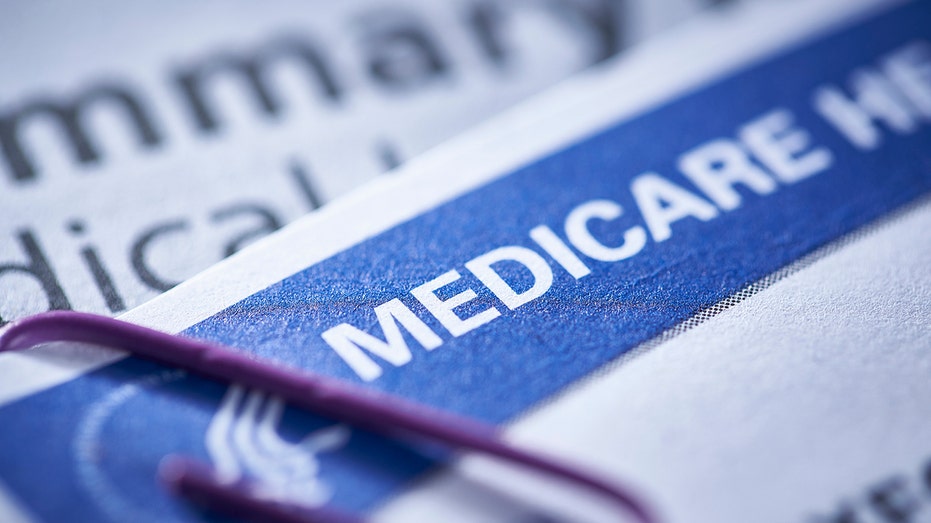
Medicare plans do not cover all health care-related costs, so retirees face out-of-pocket costs. (Stock)
Another 48% goes to paying for other medical expenses under Medicare's cost-sharing provisions — such as copays, coinsurance, deductibles for things like hospital visits and outpatient services.
That figure also includes other medical services not covered by Medicare plans, such as vision and hearing tests.
The final 7% of the total comes from out-of-pocket costs, such as co-payments and costs not covered by Medicare Part D and out-of-pocket costs for generic, brand or specialty drugs.
OBAMACARE EXCHANGE FAILURE EXPOSED AMERICANS TO UNEXPECTED HEALTHCARE BREAKS, WATCHDOG FINDS

Prescription drug costs can be a significant part of a retiree's health care costs. (Getty Images)
“Medicare is an important part of retirement health, but it doesn't cover all health care costs,” said Steve Betts, president of Fidelity Health.
“This estimate helps illustrate why both pre-retirees and retirees alike would benefit from carefully considering out-of-pocket expenses and how they will pay for them as they develop their retirement strategy,” Betts added.
GET FOX BUSINESS ON THE GO BY CLICKING HERE


