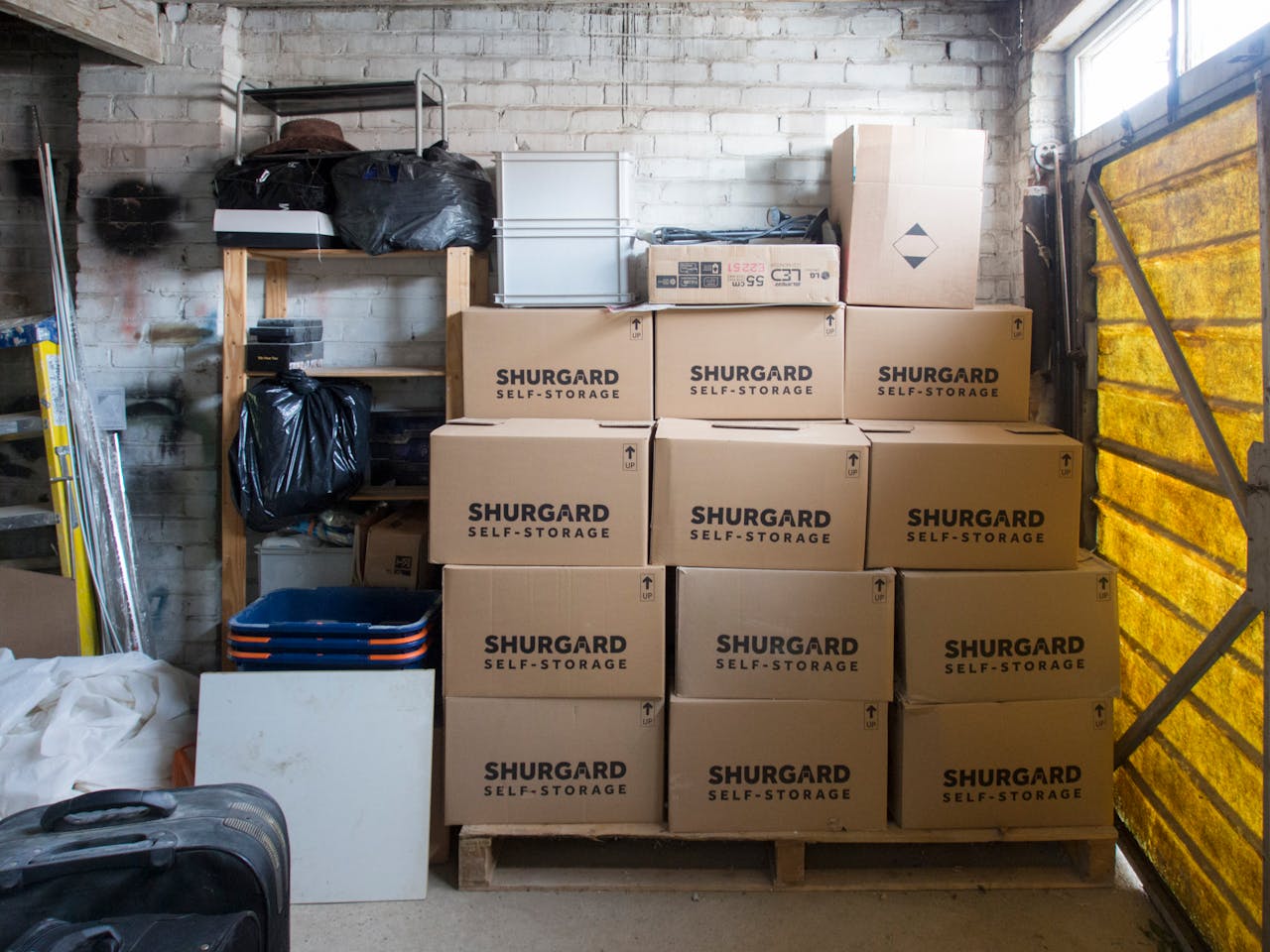
Most storage mistakes don't happen on day one. They appear later, when someone assumes that things are planned, insured, and documented, but no one has checked. Delayed transportation of records, equipment, or inventory overflows can quickly become a blind spot.
For finance and business leaders, that's important because storage isn't just a place to put things. It can affect continuity, reporting, and accountability. If content supports operations, weak surveillance creates hidden costs long before anything is lost or damaged.
What often goes wrong is practice: the box gets lost, replacement equipment is stored without a label, or access is shared too freely. Then, when something is needed, the delay reveals problems that have been building for months.
If storage is tied to cash flow, asset protection, or service continuity, it should be handled like any other operational risk.
Weak oversight is costly even when nothing disappears
Storage is often treated as a small expense, which is why it is so dangerous. The cost is not just a monthly fee. It's downtime when the team can't get what they need, disruption when employees change, and reporting gaps where no one can confirm what's there.
For US businesses, this is important in practical terms. When a storm, relocation, audit, or personnel change comes along, a company with a clear inventory, controlled access, and backup plan is always on the go. A company that doesn't have that structure starts paying for quick replacements, duplicate purchases, and avoidable confusion.
A weak setup also creates coverage problems. If the archives support operations, insurance, access rights, and documentation need to be lined up. If not, the organization may end up being responsible without proof, or having it without adequate supervision.
There is also the budget angle. Items sent to storage without a defined purpose can be quietly sunk costs. Leaders may continue to pay simply because sorting, returning, or discarding items feels like a hassle. Over time, that creates a mismatch between what is saved and what the business actually uses.
The best way to manage storage is as part of a working capital discipline: whether the item still has value, whether it is worth keeping it, and whether another option would mitigate the risk more effectively.
Three pressure points determine whether storage is helpful or harmful
Before storing anything important, look for pressure points, not just the space itself. The goal is to reduce risk, not add another layer of confusion. At that time, many groups began to compare NSA Storage in the War Zone based on how they perform on a day-to-day basis.
The same principles apply whether the assets are records, equipment, supplies, or temporary surplus. What changes are the level of control needed to protect value and maintain accountability.
1) Access control is a financial problem, not just a simple matter:
If more people can enter, the responsibility collapses. The business needs to know who can log in, who can authorize returns, and who to hold accountable if something changes. Loose access feels good at first, but it's often a blind spot.
A strong process does not need to be bureaucratic, but it does need to be clear. One person must own the handoff. One record should reflect what is saved. One reviewer must verify the changes. Otherwise, accountability is reduced until the deadline is missed.
Good access control also reduces internal conflict. When teams know the rules for pick-up, return, and change, they spend less time arguing about responsibility and more time moving the work forward.
2) Condition and installation need to match the material:
Some items tolerate light storage. Some don't. Records, electronics, seasonal equipment, and sensitive business assets can be damaged by heat, moisture, or mishandling, making the environment part of risk planning.
The trade-off is straightforward: better protection is usually more expensive up front, but less protection can be more expensive later. A locked door is not the same as proper protection if the item loses value due to damage.
Organize items before they are shipped. High value or sensitive goods may require climate control, secure shelving, or additional documentation. Low-risk items can often be handled easily, but the level of protection should be commensurate with the business consequence of the loss or damage.
- Check that the stored item needs climate control, not just a shelter.
- Make sure the content is covered under the correct policy or rider.
- Document the condition of high-value items before they come in.
3) A common failure is to save first and edit later:
The most common mistake is treating storage as an afterthought. Teams put things down, assume someone else will keep track of them, and can revisit the list. Then the priorities change and the space becomes a pattern of holding old decisions.
That's how drifting begins. Old files are left because no one wants to sort through them. Extra goods stay because disposal feels like more. Equipment remains idle because no one wants to own the cleaner. The result is not just clutter; it is weak oversight that hides problems instead of solving them.
The best way is to decide in advance how long something should last, what event triggers the update, and what outcome justifies keeping it. Without that structure, storage becomes a default place of uncertainty.
A simple process keeps storage from being dead weight
Maintenance is not complicated, but it should be deliberate. A good setup starts before anything goes in and continues after the first offer.
The most useful procedures are usually those that can be repeated without much controversy. They should be clear enough for a manager to follow, but applicable enough for day-to-day operations.
- Create a written inventory before storage begins. List what is being posted, who owns it, why it is there, and when it should be updated.
- Assign a single accountable decision maker. That person must handle access requests, authorizations, and inspections from time to time.
- Set a review cadence that is consistent with business use. Re-evaluate inventory after personnel changes, contract changes, equipment changes, or seasonal changes.
- Separate important things into simple things. Business continuity assets, archived records, and valuable equipment deserve stricter control than redundant items or low-value additions.
- Create a discard or return method in the system. If an item no longer supports functionality, get rid of it rather than paying to keep it forever.
Storage is about continuity under pressure
Businesses rarely regret paying for organized storage. They regret not knowing what is out there, who has access to it, or whether it is still compatible with the program. This is why storage is in the same conversation as risk planning and asset protection.
The most powerful functions treat the storage as a small control system. Its value is measured by few surprises, fast recovery, clean reporting, and minimal scratches when the unexpected happens. If the process feels uneventful, that's usually a good sign.
This is especially important if inventory supports revenue, compliance, or customer commitment. In those cases, a missing box or an inaccessible tool can add up to a greater loss than the storage cost ever suggested.
A mature approach also recognizes that storage is temporary by design. Even long-term storage must be reviewed because business needs change. If the content is not updated, they may remain in the space long after their business value has faded.
Good storage disappears in the background
The best final arrangement is the one that doesn't create more work later. It protects what's important, supports people who need access, and leaves a paper trail strong enough to survive tampering or tampering.
That requires judgment. Not all things deserve the same level of protection, and not all groups need the same setup. But every business benefits from asking the same question early on: if we need it later, will we know where it is, who owns it, and whether it's still usable?