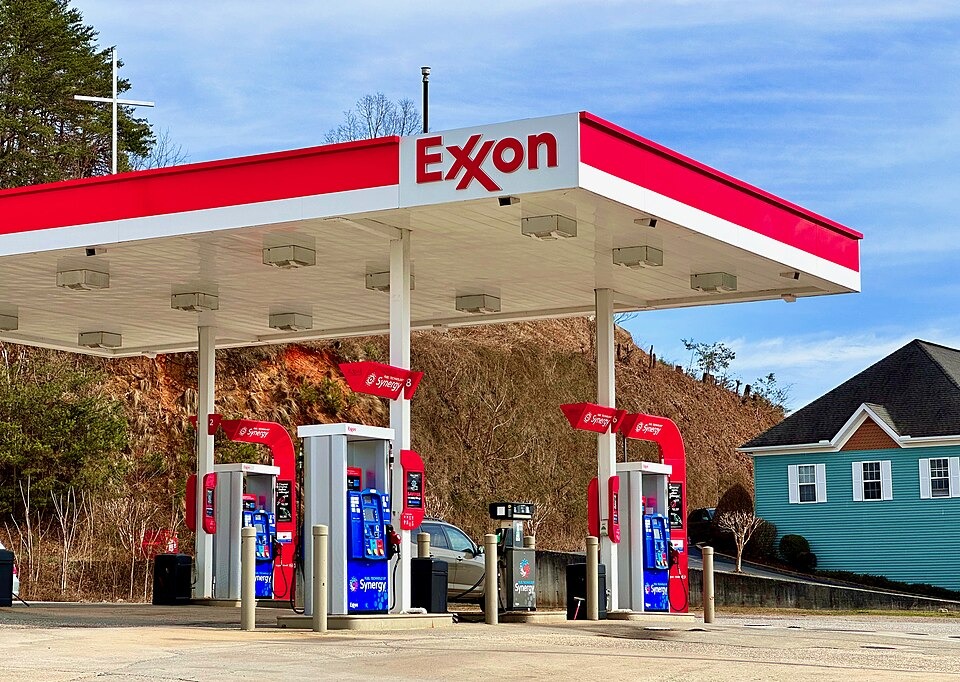
American drivers are heading into the Memorial Day weekend with another bill they can't avoid, and this one is hitting before the trip even begins. AAA projects 45 million Americans will travel at least 50 miles from home between Thursday, May 21 and Monday, May 25, setting a new record for the Memorial Day weekend. An estimated 39.1 million people are expected to travel by car, making up 87% of all Memorial visitors.
They will be paying for that trip with some of the highest pump prices seen in years. The latest AAA figures put the national average for regular gasoline at $4.564 per gallon, up from $4.022 last month and $3.183 a year ago. Diesel is sky high, averaging $5.656 per liter, putting pressure on truckers, delivery firms, traders, small businesses and anyone who depends on a car for a living.
Filling out the routine now feels like a punishment for driving to work, taking the kids for a long weekend, visiting family or trying to get through the week. Families already faced with high food bills, insurance costs, rent and mortgage costs are forced to provide more money before the holidays begin.
A 15 Gallon Tank Can Now Cost Over $90 in California
Memorial Day should mark the beginning of summer. For many drivers this year, it starts with a slip of the gas that will bite before they even hit the highway. AAA's state statistics show how widespread overcrowding is. California is already at $6.143 per gallon for regular gasoline. New York is at $4.613, Florida is at $4.511, and Texas, usually the cheapest market for large states, is at $4.092. Illinois is $5 higher, with average gasoline at $5.013, while Hawaii stands at $5.646.
Those numbers get worse when you turn to regular fillings. A standard 15-gallon tank costs about $68.46 according to the national average. In California, it costs about $92.15. In Texas, it costs about $61.38. A driver in California who fills a 15-gallon tank pays about $30.77 more than a driver in Texas for the same fuel. Two fill-ups in California can cost about $184 before parking, food, hotels, toll roads and anything like a vacation are factored in.
That's money that could have gone toward shopping, a utility bill, a child's work, a doctor's prescription, eating out or a little breathing room at the end of the month.
Memorial Day Trips Are Hit Before Families Even Leave Home
High gas prices come at a particularly bad time for families planning holiday trips. It's where families drive for road trips, school events, sports, weekend visits, days out and long trips to see relatives. AAA's forecast says travel demand remains strong despite high gas prices, and Memorial Day domestic travel is expected to set a new record. The group also said drivers are paying more at the pump than last Memorial Day, when average gasoline averaged $3.17 per gallon, and current pump prices are the highest since summer 2022.
Many families will still go because canceling the trip means disappointing the children, losing savings, losing family plans or giving up the one vacation they were looking forward to. Travel is still possible, but the money has to come from somewhere. A few hundred miles on the road now can mean fewer meals out, cheaper hotels, attractions, packed lunches instead of restaurants, or another credit card balance that lasts long after the vacation is over.
Reuters reported that more Americans are already shortening their commutes, with only 56% planning to drive more than two hours this summer, down from 69% last year. A GasBuddy survey cited by Reuters found that 67% said gas prices directly affect their driving plans, while 36% said rising costs are causing them to take fewer road trips. People still travel, but they are smaller, shorter and more cautious because the pump takes money that could be used for a real break.
Oil Disruption, Tight Supply and Summer Demand Fuel Pump Shock
Oil market disruptions, tight fuel supplies and strong seasonal demand all hit at once. Pump pricing takes more from drivers before they get to the toll booth, hotel, restaurant or amusement park. Reuters reported that US retail gasoline prices have jumped more than $1.50 per liter, or about 45%, since late February. The increase was fueled by supply disruptions linked to the Iran conflict and the successful closure of the Strait of Hormuz, a major oil route through which nearly 20% of global oil consumption flows.
The pressure may not ease quickly. Reuters also reported that gasoline inventories fell for the 14th consecutive week, with supplies at an 11-year low as the Memorial Day trip begins. Refinery shutdowns, an approaching Atlantic hurricane season and tight global supplies could add more pressure to the summer. Diesel adds another dose because it powers trucks, deliveries, farm equipment, construction vehicles and service vehicles. When diesel goes up, the cost doesn't sit neatly at the pump. It includes delivery costs, grocery prices, construction work, maintenance, trade and the basic cost of transporting goods across the country.
Drivers pay once when they're full, and then pay again when higher transportation costs factor in to everything else.
Prices Can Go Up in Summer
Families heading into June, July and August have good reason to feel nervous. GasBuddy forecasts cited by Reuters suggest prices could fall as low as $5 per liter if traffic through the Strait of Hormuz remains restricted for much of the summer. That would bring the national average closer to the painful levels drivers are seeing in 2022. AAA lists the highest US record for unrefined regular gasoline at $5.016 on June 14, 2022.
Some fuel increases can feel like extra charges for normal life. Passengers still have to get to work. Parents should still drive the children. Small firms still have vans to operate. Nurses, contractors, delivery drivers, janitors, tradesmen and shift workers cannot simply decide that driving is too expensive and stop doing it. Anger builds quickly because fuel is tied to work, family, travel and life. For most Americans, the pump is not a lifestyle choice. It's the price of keeping life going.
California, New York, Texas and Florida Show How Widespread the Pain Is
In California, average gas at over $6 means a large family car or SUV can easily cost more than $100 to fill up. For commuters who are already struggling with high housing costs, that weekly price is brutal. In New York, the average price of $4,613 is high enough to make a Memorial Day trip more expensive. Families driving out of town, heading north or on vacation will feel the cost before they even get to the hotel. In Florida, at $4,511, the pressure falls squarely on families, retirees, tourists and workers in areas built around driving, tourism and service jobs.
In Texas, the price is lower than the national average but still more than $4. In an environment where long drives are part of everyday life, even cheap fuel now gives enough to bite. For a driver who fills up a 15-gallon tank once a week, going from last year's national average of $3,183 to today's $4,564 adds up to about $20.72 per tank. Over the course of a month, that's over $80 more in one weekly refill.
For a two-car family, the extra cost can easily run into three figures. That's money taken away from food, savings, debt payments, vacation plans and any opportunity to get ahead.
High Fuel Bills Can Make Your Trip to Walmart More Expensive
A plumber, electrician, landscaper, delivery driver, mobile mechanic, cleaner, delivery man or contractor can burn through gasoline every day. When prices jump, those businesses raise prices, hold back or cut back elsewhere. Most of those costs ultimately go back to customers. A high diesel bill for trucks can eat into delivery costs, supplier costs and store prices. A trip to Walmart, the weekly grocery store, home maintenance, a trip to Target, grocery delivery and a contractor call can all become more expensive when businesses exceed fuel costs in this chain.
None of these choices are painless.
Customers get upset when prices go up. Owners are pinching when they get the cost. Service becomes harder to deliver when firms cut routes, delay work or reduce hours. For small workers who are already dealing with high wages, insurance, rent and materials, fuel is one of the costs that are added to the pile. Large companies can hedge, negotiate or squeeze costs through their supply chains. Many small businesses find themselves with high debt, low margins and customers who are tired of paying more.
The Pump Is Becoming Another Place Where Families Feel Stuck
High gas prices have hit hard because drivers have less maneuvering space. People can switch supermarket brands, cancel subscriptions, delay shopping or eat at unusual places. Gasoline is difficult to avoid, especially in cities, towns and rural areas where public transport is limited or useless in daily life. Driving is how millions of Americans get to work, take children to school, care for relatives, get to medical appointments, run businesses and keep family life running. When the price of gas goes up too much, the number at the pump is another claim on income before households spend that money on anything else. If prices remain high in the summer, the damage will spread beyond the filling stations. Families will cut back on travel. Restaurants and attractions may lose money. Small firms will raise prices. Delivery costs will continue to rise. Families already close to the brink will have one reason to be upset.
Memorial Day should feel like the start of summer. This year, for millions of drivers, it starts with a pumping rate that turns family separation into another financial blow.