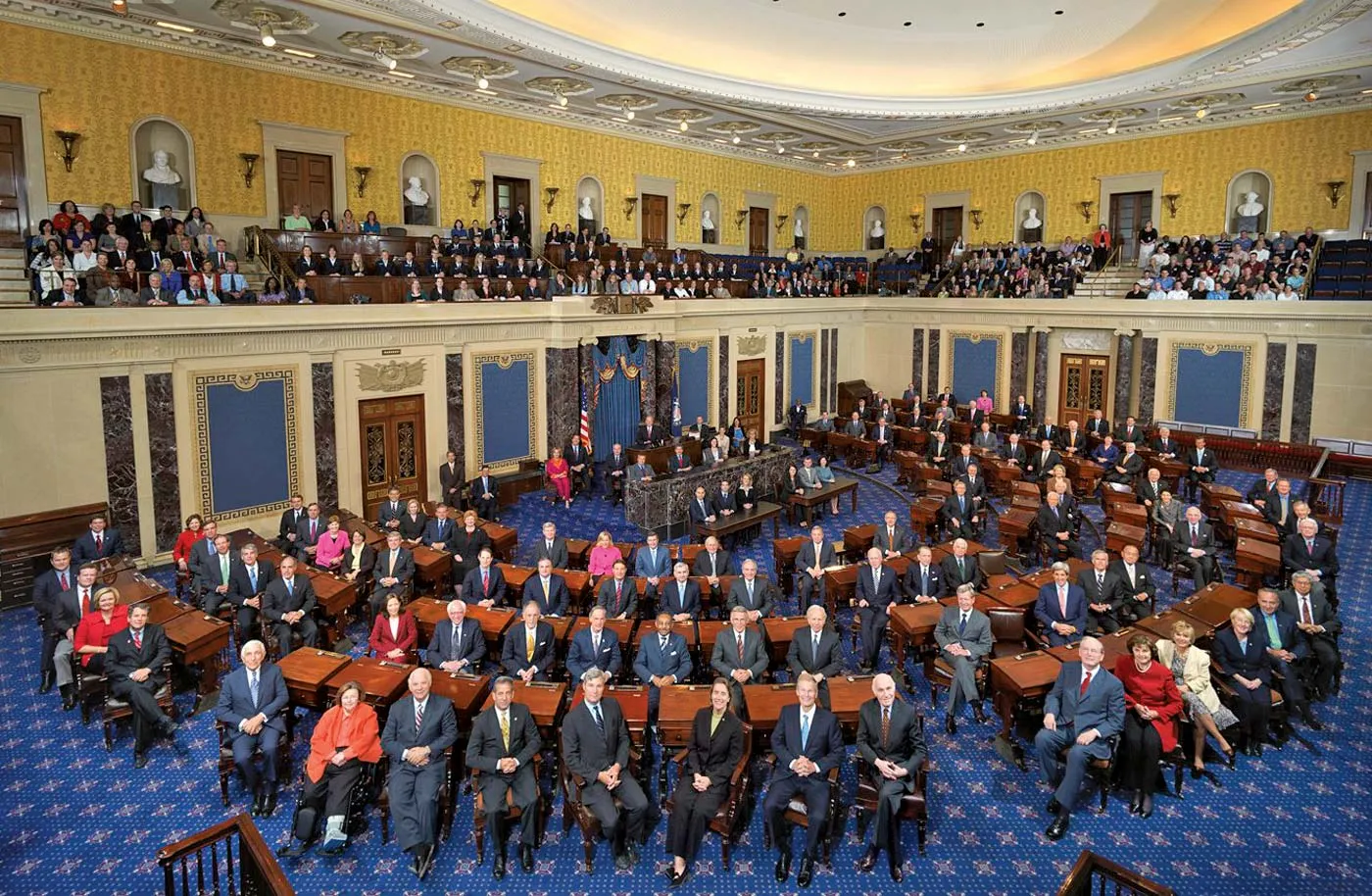
The U.S. Senate has approved a $70 billion immigration enforcement bill that could reshape labor markets in large parts of the economy, as companies already struggle to hire workers amid the prospect of expanded workplace regulations, higher incarceration rates and a sharp increase in federal immigration.
The legislation passed by a vote of 52-47 and now moves to the House, marking one of the largest immigration funding programs in recent years.
The bill provides funding for Immigration and Customs Enforcement and Border Patrol until the end of President Donald Trump's term, supporting additional deportation operations, detention facilities and border security measures. Supporters argue that the package strengthens the law after years of political battles over immigration policy. For many employers, however, the vote introduces a new layer of uncertainty at a time when hiring remains difficult in several sectors of the economy.
From construction sites and farms to warehouses and hotels, employers in all labor-intensive industries have spent years trying to recruit enough workers. The continued increase in enforcement activity can make workforce planning a challenge in sectors that rely heavily on large numbers of hourly workers. Even companies with fully compliant hiring practices can find themselves operating in tight labor markets when the available labor pool becomes scarce.
The results may extend beyond paid departments. When firms struggle to fill vacancies, labor costs tend to rise as employers compete for workers. Higher labor costs can affect everything from food prices and restaurant bills to construction projects and local services. At a time when households remain sensitive to the cost of living, many business owners will be watching closely to see how the enforcement process progresses once the funding is released.
Time is of the essence because the broader rental space has shown unexpected strength this year. The Labor Department reported that employers added 172,000 jobs last month while unemployment remained low at 4.3%, despite higher prices related to the conflict involving Iran. Those numbers suggest that hiring remains healthy, but many executives remain reluctant to commit to major expansion plans while financing costs remain high and energy markets remain unpredictable.
Faced with greater uncertainty about future workforce levels, some companies may choose to postpone investment, slow growth plans or opt to hire more. That doesn't mean sudden disruptions are inevitable, but it does mean that immigration policy is becoming more important in decision-making across industries that are already operating on thin margins.
The law also outlines how government priorities change. As Washington commits more resources to law enforcement, employers, employees and the communities in which they work are examining what those changes could mean in practice. Areas with large immigrant populations tend to support large networks of small businesses, landlords, retailers and service providers whose fortunes are closely related to local employment conditions and consumer spending.
For now, the bill represents a major political victory for supporters of tougher immigration laws. In industries where workers remain hard to find, many employers will be looking for signs that enforcement is starting to have an impact on hiring, employment rates and labor costs. I funding approved. The economic consequences, if any, are starting to come into focus.