Finland has taken the top spot in the UN World Happiness Report for the seventh year in a row, not least because there is something in the icy waters of this nation of just 5.6 million people. And the Nordic country is not the richest of the 147 countries and territories surveyed by the Gallup World Poll; more than 20 other countries exceed Finland's GDP per capita.
So, what does it mean to be a happy country in a country full of wars, inequality and political divisions? (For reasons why Finland ranks high, read on.)
It's often said that even in the worst of times there is happiness to be found, and the World Happiness Report backs this adage up with plenty of data. Since the index was launched in 2013, researchers at the Sustainable Development Solutions Network (UNSDSN) – the UN body that promotes action on the goals of the UN Sustainable Development Goals and the Paris Agreement on climate change.[EL1]-have repeatedly shown that the happiest countries have the highest levels of trust and are able to stand up for themselves when disaster strikes.
Measuring public trust is not easy. In their 272-page study, the UNSDSN provides an abundance of detailed charts, graphs, and historical data. But as a quick alternative, we can simply ask ourselves: How worried would I be if I lost my wallet? Feeling that it will be returned by a police officer, a neighbor, or a stranger says a lot about how happy you and the people around you are.
Each edition of the World Happiness Report focuses on a specific factor that affects or detracts from our sense of well-being. The 2026 report emphasizes our relationship with social media, particularly how it affects young people.
Especially in North America and Western Europe, young people are not as happy as they were 15 years ago, and a large study by the Organization for Economic Cooperation and Development of 15-year-olds in 47 countries found a clear connection. More than seven hours of social media use per day is associated with significantly lower health compared to less than one hour per day.
Outside of the English-speaking world and Western Europe, the well-being of young people has never been more severely affected. But data from other regions, too, show that platforms built around the use of visual content – the kind that invite endless social comparisons – are more likely to lower life satisfaction than those that favor more direct communication.
The Nordic nations lead the pack
Still, it took more than Instagram, TikTok, or Snapchat to knock the Nordic countries out of the top spots in the World Happiness Report. As they have historically, the Nordics continue to excel; Finland tops the list, but Iceland, Denmark, Sweden, and Norway also make the top 10.
What exactly is the right mix of happiness ingredients? High GDP per capita, public support in times of need, absence of corruption in the government, healthy life expectancy, freedom to make life decisions, and giving or helping others are six important factors used by researchers later in their report.
It is noteworthy that of these six, only one is directly related to economic well-being. Last year's ranking contained some surprises as two Latin American countries, Costa Rica and Mexico, entered the top ten for the first time. In the new ranking, Mexico dropped two places to 12th, but Costa Rica gained two. The GDP of these countries per capita is about a fifth of the richest countries in the world – Luxembourg or Singapore, for example – and about a third of the Nordics.
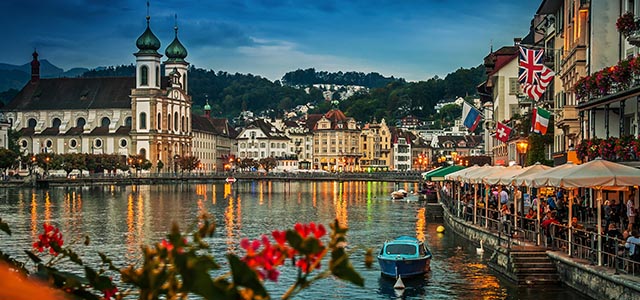
#10 | in Switzerland 🇨🇭
After taking first place in the 2015 World Happiness Report, Switzerland has steadily lost ground. Last year, it was out of the top 10. But while the Swiss may feel more confused than usual, they are far from miserable.
Switzerland has postcard locations with clean air, modern infrastructure and educational services, as well as great wealth and an even distribution of resources. Making chocolate and cheese, not war, helps too; Switzerland is famously neutral and has not been directly involved in war since 1847.
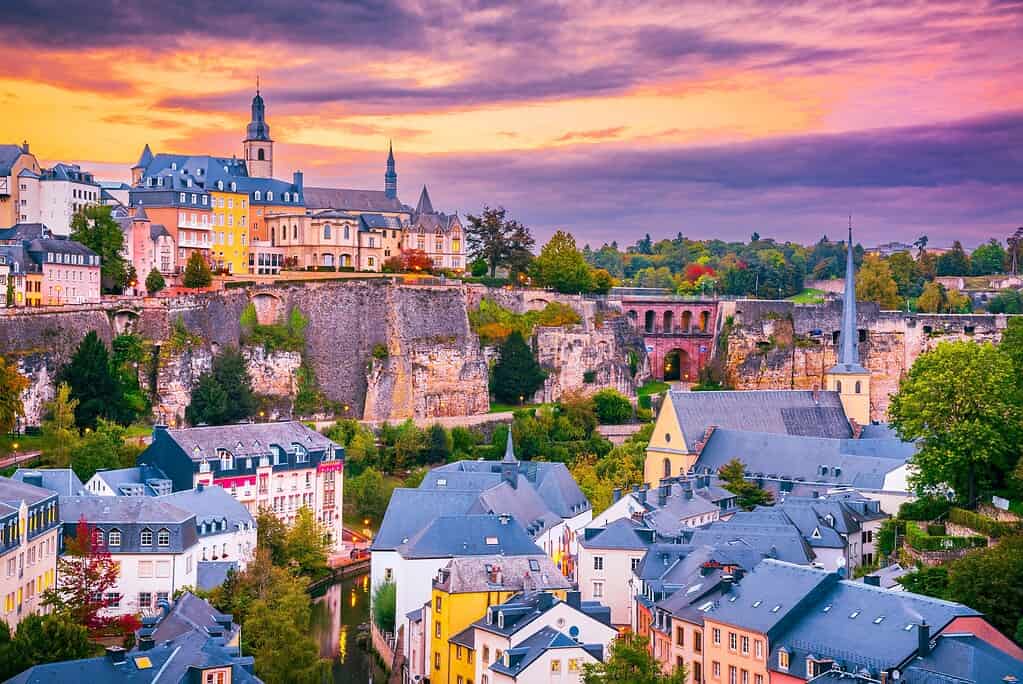
#9 | In Luxembourg 🇱🇺
Just ten years ago, this land of castles, lakes, and hills sat at the bottom of the top 20. But Luxembourg entered the top 10 in the 2020 report and has remained there ever since.
A small nation of less than 700,000 people, it scores above average on community engagement, subjective well-being, freedom to make life decisions, and life expectancy. And while money can't buy happiness, Luxembourg's status as one of the richest countries in the world doesn't hurt.
#8 | Israel 🇮🇱
It may come as a surprise to find Israel near the top of the World Happiness scale while surrounded by hostile and highly competitive neighbors. But the explanation is relatively simple: The collective sense of empathy and solidarity, and with it, the level of happiness, tends to rise when disaster strikes.
Since the establishment of the index, Israel has never fallen below the 14th place. Happiness is not determined by the presence or absence of a single factor; Israel is a rich and vibrant country where people enjoy strong social ties and feel that they can decide how to pursue their goals in life.
#7 | The Netherlands 🇳🇱
Although they lost two places in this year's rankings, the Dutch remain wealthy, educated, and free to choose their own lifestyle.
Notably, the World Happiness top 10 no longer includes any of the world's most populous nations; the Netherlands is the only country with more than 15 million people. Among the top 10, it also shows a narrow gap between the most and the happiest people; in other words, the Dutch experience the same, much higher levels of happiness.
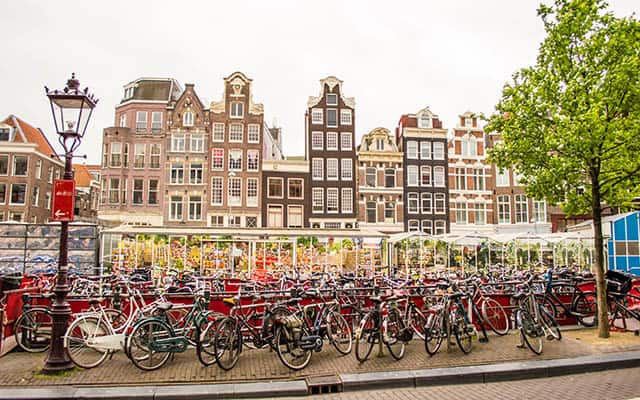
#6 | in Norway 🇳🇴
While Norway has been falling in the rankings – holding the top spot in 2017 – its social model is still a remarkable success story. Norwegians believe that democracy should promote social and economic equality. The result is lower pay and gender inequality, better free healthcare, and more confidence in elected officials.
However, Norway has experienced a significant drop in youth happiness. For those under the age of 25, health assessments have dropped significantly over the past two decades. As a result, Norway is now ranked among the 25 countries that have experienced the worst decline in life satisfaction among these demographics.
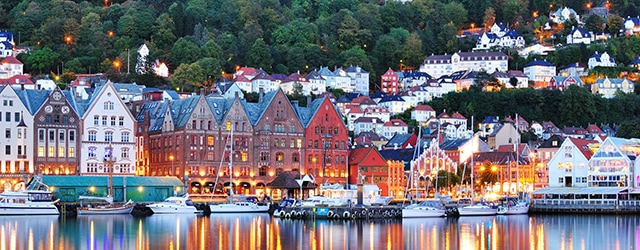
#5 | in Sweden 🇸🇪
Sweden consistently ranks high on the World Happiness Index, due to its wealth, strong social support networks, and the perceived reliability and accountability of its institutions.
The Scandinavian country also has a work-life balance. It offers one of the longest paid holidays of any country, with a legal minimum of 25 days that can go up to more than 40, while new parents can take up to 480 days, where they get up to 80% of their salary.
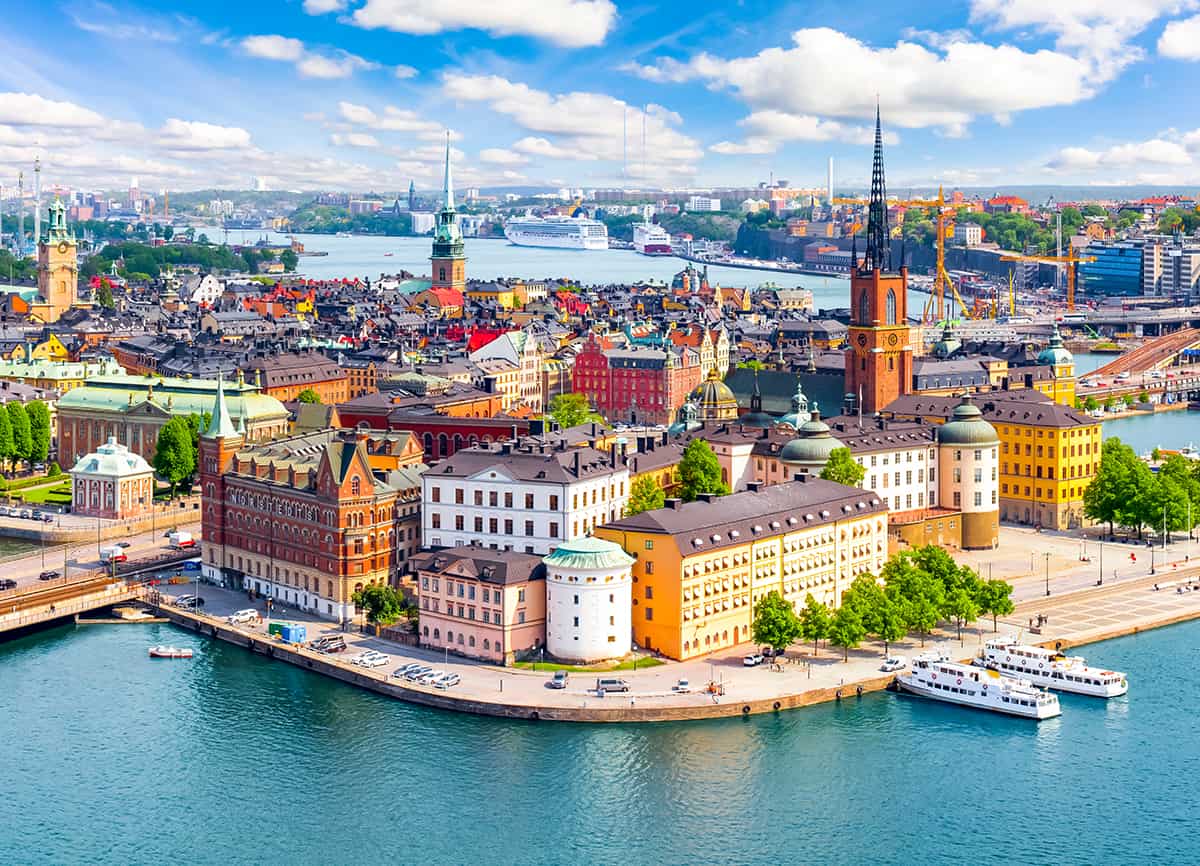
#4 | Costa Rica 🇨🇷
The 5.3 million people who live in this small strip of land between Nicaragua and Panama are among the happiest on Earth. Although one in five citizens is estimated to live below the poverty line, all Costa Ricans have what rich countries lack: a strong social system that includes universal access to health care, primary and secondary education, and relatively high pension benefits.
How does the government pay for it all? Costa Rica abolished its military in 1949, and has since invested that money in its people. Couple that with strong family ties, beautiful scenery, and great weather, and it's no wonder Costa Ricans enjoy their lifestyle.
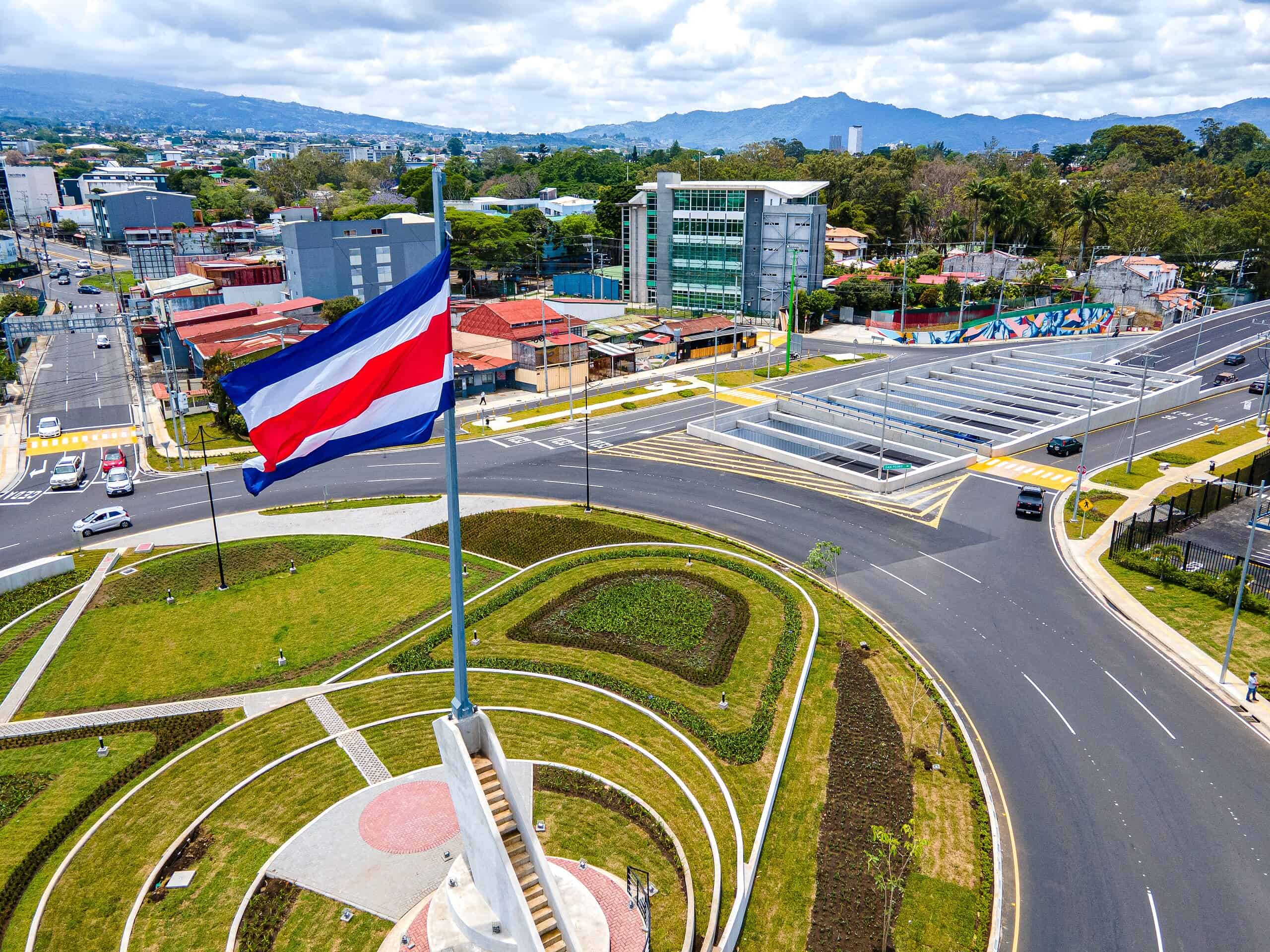
#3 | Denmark 🇩🇰
Denmark topped the list in the first World Happiness Report in 2012, again in 2013 and 2016. After coming in second place for seven years in a row, it lost one notch to the new phone.
The Nordic countries share similar social and political models and values, which explains why they are always in the top 10 and why they often exchange places in the rankings. Danes score high when it comes to work-life balance, the environment, and health care. They also pride themselves on having the smallest wealth gap in the world; a society where people share both burdens and benefits equally is, it seems, a happier society.
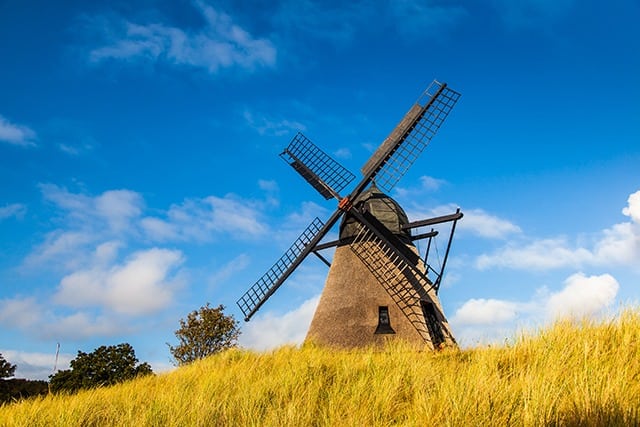
#2 | Iceland 🇮🇸
Iceland often ranks high on a variety of measures of quality of life. Ranked by the World Economic Forum as the world's leading country in terms of gender equality and the Institute for Economics and Peace as the most peaceful for over 10 years, this island republic of about 400,000 is also one of the most environmentally friendly countries. In addition, Iceland boasts the highest number of books published per capita: About 10% of its citizens will embark on a noble mission to write one in their lifetime – something, apparently, that really makes them happy.
With its attractions, high levels of public trust, and universal access to healthcare and education, Iceland has gained one position this year, closer than ever to the top of the World Happiness Index.

#1 | Finland 🇫🇮
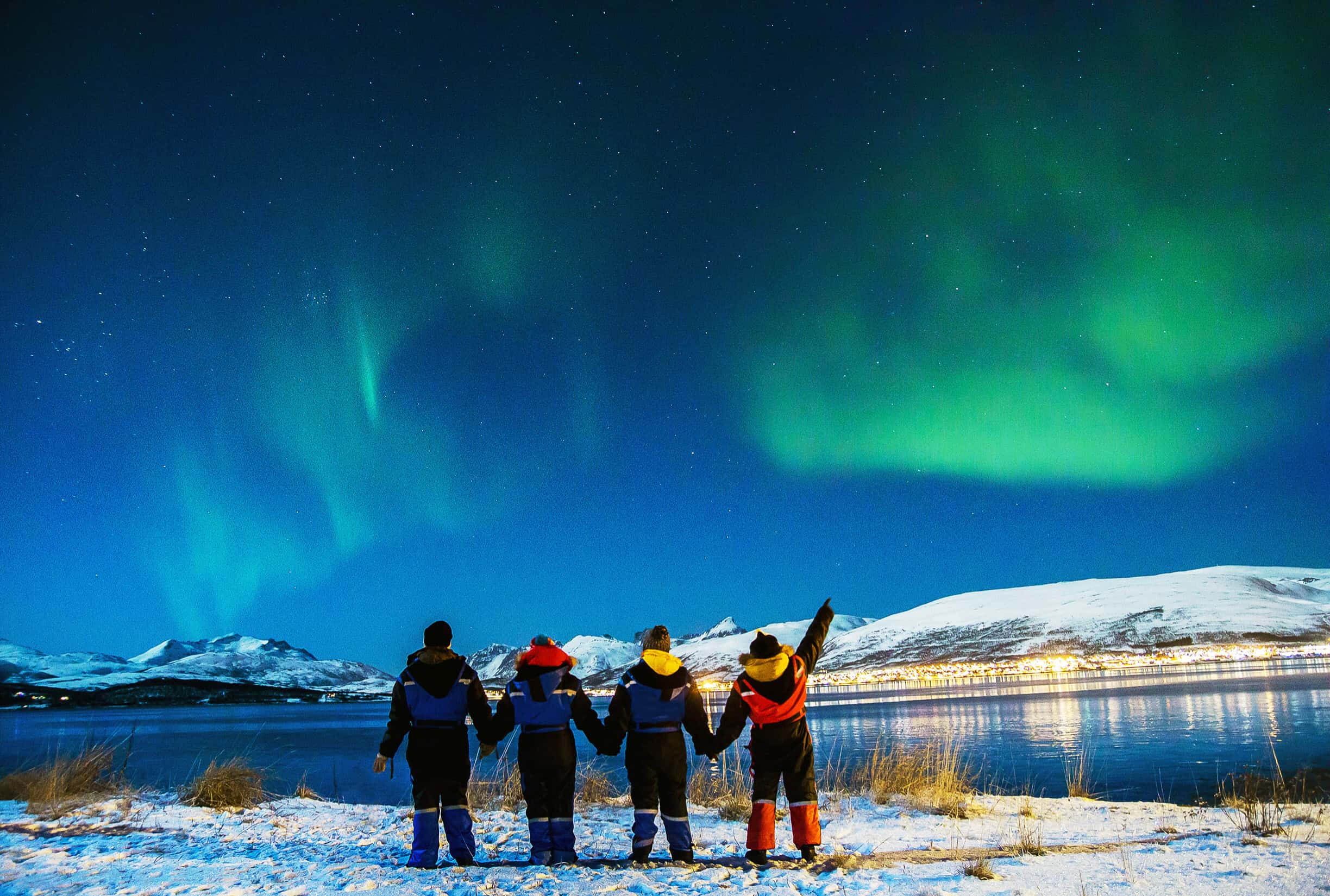
Finland did it again. It rose from fifth place to the top of the World Happiness List in 2018 and looks set to stay strong. Finns they have a lot in store for them. This very happy nation enjoys a high standard of living, a thriving cultural life, 3 million relaxing saunas, and more forests per square kilometer than any other European country.
The reigning champion gives tips to the whole world on how to live better. Along with activities such as swimming, hiking, and biking, the country's tourism organization recommends long walks through forests full of berries, mushrooms, and wild herbs. If there is nothing like that where you live, that is exactly the point; they want you to visit and see for yourself.
The post World's Happiest Countries in 2026 appeared first on Global Finance magazine.