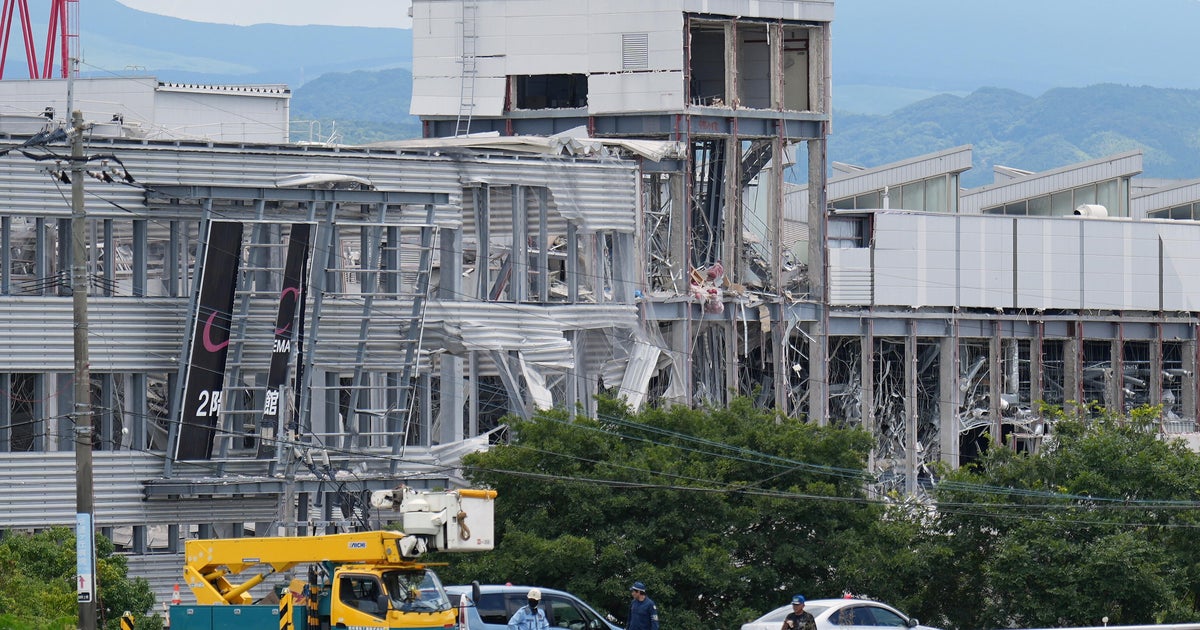
The United States struck bridges in Iran, and Tehran responded by striking an energy and desalination plant in Kuwait on Friday, as the two sides risked escalation by expanding their targets to include infrastructure.
At sea, as the renewed war has once again cut off electricity in the Gulf, US Marines have boarded a tanker near the Strait of Hormuz. Armed men have seized another ship from Yemen, raising concerns about the security of another major Middle Eastern oil shipping bottleneck at the mouth of the Red Sea.
Iran's official Tasnim news agency reported late Friday that the Revolutionary Guards Navy had “targeted” a Thai-flagged ship that was trying to pass through the Strait of Hormuz. It did not provide further details.
Washington and Tehran have been testing the limits of escalation since their ceasefire agreement collapsed last week, raising the prospect of a return to endless war.
After reports of a hike on Friday, Brent crude oil prices rose 3 percent and were on course for a third straight weekly gain. Global stock prices fell while Wall Street opened at a record low before the cut.
US air strike threats are on the rise
US President Donald Trump has threatened to launch airstrikes based on Iran's infrastructure and has refused to rule out ground attacks on Iran's coast or islands. US officials said the attack on southern Iran was designed in part to give Trump options.
Such measures are dangerous for Iran to escalate by attacking the critical infrastructure of vulnerable Arab neighboring states, or having its allies in Yemen disrupt global energy supplies by attacking shipping from the Red Sea.
Mohsen Rezaei, an adviser to Iran's supreme leader, warned on Friday about US escalation and any attempt to seize Iranian territory.
“If the American strikes continue for a few more days, we will enter a phase of total harassment,” Rezaei, a former commander of the Revolutionary Guards, told state television.
UN Secretary-General Antonio Guterres is concerned about this increase, especially with “attacks on the infrastructure of the people of Iran and the entire region,” his spokesman said.
In the latest strikes, the US military's Central Command included “military infrastructure” on the list of targets it said it had hit, the first time it has mentioned infrastructure in more than a week.
5 bridges hit south: Iranian media
Iranian media said at least five bridges in the south had been hit. It was reported that seven people were killed in the attack on the bridges in the southern port of Bandar Khamir, where the train station was hit. The airport was reportedly hit east and offshore in Iranshahr, a province bordering Pakistan.

Videos verified by Reuters show debris, broken steel and a damaged car on the collapsed bridge in Bandar Khamir. One clip showed the fire.
Iran's Foreign Minister Abbas Araqchi said three civilians were killed while crossing the Bandar Khamir bridge, adding that Iran will not allow their blood “to be in vain.”
Reuters was unable to confirm the details of other reports, which described a deadly attack that killed a woman and injured her child in the port of Bandar Abbas.
Iran aims to host US air bases
Iran has announced attacks on Gulf countries that host US airports, including Bahrain, Qatar and Kuwait.
The authorities of Kuwait said that one of the electricity and water generating stations in the country was attacked by Iran, which caused damage, a fire broke out and many power generating units were disrupted.

In June, CBC's senior international reporter Margaret Evans and videographer Lyza Sale were granted rare access to report inside Iran. Where they could go and what they could report on was tightly controlled, but Iranian authorities had no editorial influence on content and were not given access to CBC News material before it was published.
Firefighters brought the fire under control, while technical teams began to assess the damage, secure the station and work to quickly restore power, the Ministry of Electricity, Water and Renewable Energy said.
The wealthy Arab Gulf countries depend on plants that generate electricity and desalinate seawater to make their desert cities livable. When Iran struck a desalination plant in Kuwait on March 30, it was seen as a major escalation that helped the United States declare a ceasefire for the first time the following week.
Iran said it hit US bases in Kuwait, Qatar and Bahrain, as well as a US radar station in Oman. An explosion was heard in Qatar's capital, Doha, where the Ministry of Interior said a child was injured by explosives.
Iran also said it had fired in Syria, apparently for the first time in the war, at what it described as a base for US special forces in Tanf, Damascus and Washington said US forces had pulled out earlier this year. A Syrian military source said the strike struck close to the site and caused no damage or casualties. CENTCOM said no US soldiers were killed or captured.
Wrapping up of the interim agreement
Last month's temporary ceasefire agreement has been in tatters since July 7, when Iran rammed ships in the Strait of Hormuz and the United States responded with airstrikes. Iran has since announced the closure of the strait, and Washington has reinstated its blockade of Iranian ports.
In the latest action at sea, US troops said they had boarded a tanker to enforce the blockade, releasing footage of sailors retreating from a helicopter onto the deck where one posed in front of an Iranian flag.
Across the Gulf, armed attackers boarded and seized a small chemical tanker from Yemen in the Gulf of Aden, off the coast of the Red Sea.
Iran has signaled that it could encourage its Houthi allies in Yemen to block another key route: the Bab al-Mandeb at the mouth of the Red Sea, which could cut off the Middle East's other main oil route through the Gulf. Sources told Reuters Iran has already ordered the Houthis to take action if Washington attacks Iran's infrastructure.