

Maria Bartiromo interviews former Chrysler and Home Depot CEO Bob Nardelli about the current big story. They discuss falling oil prices, now below $69 a barrel and how this affects consumers at the pump.
Oil prices rose near pre-conflict levels on Sunday after OPEC+ agreed to raise output again, adding to global crude supplies as exports through the Strait of Hormuz continued to recover following months of disruption.
The oil giant said it would raise its target by 188,000 barrels a day from August, marking its third consecutive monthly increase as it gradually reverses output cuts set for 2023.
The decision reflects waning concerns about persistent global supply shortages. Oil exports from the Persian Gulf have begun to recover after the Strait of Hormuz – a key global energy shipping route – reopened after being disrupted during the US-Israel conflict with Iran.
A memorandum of understanding brokered in the US between Washington and Tehran helped calm markets and bolstered hopes that supplies would continue to normalize.
MICHAEL DELL CELEBRATES AMERICA'S 250TH DAY WITH A GIFT TO REALIZE THE AMERICAN DREAM FOR MILLIONS OF CHILDREN
Tankers are seen at Khor Fakkan Container Terminal, one of the largest ports in Sharjah Emirate, near the Strait of Hormuz, a waterway through which a fifth of the world's oil exports pass on June 23, 2025. (Giuseppe Cacace/AFP via Getty Images)
Brent crude traded near $72 a barrel on Friday, down sharply from $120 reached during the conflict and almost back to levels seen before the United States and Israel launched strikes against Iran in late February.
Oil prices also faced pressure from weaker-than-expected demand in China, increased output from countries outside the Middle East and the coordinated release of strategic oil reserves by the International Energy Agency.
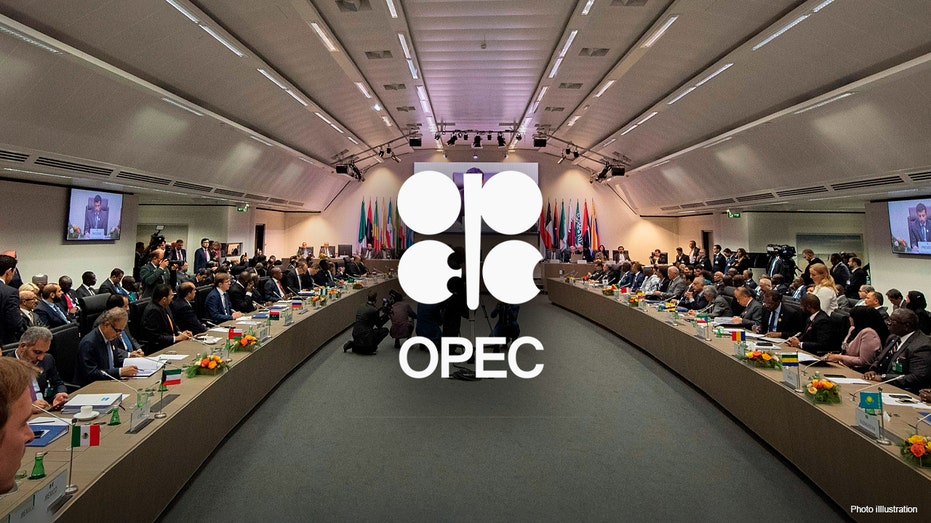
OPEC officials and energy ministers met in Vienna, Austria, on Dec. 7, 2018. (Joe Klamar/AFP via Getty Images)
The latest increase follows similar increases in production in June and July. The seven main producers in charge of the OPEC+ supply policy – Saudi Arabia, Russia, Iraq, Kuwait, Algeria, Kazakhstan and Oman – have now restored nearly 800,000 barrels per day of production since April.
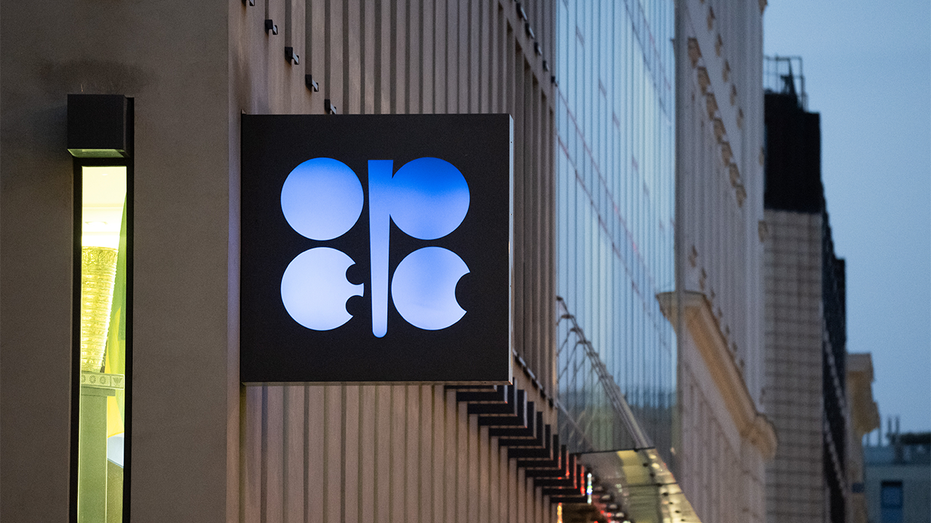
The headquarters of the Organization of the Petroleum Exporting Countries (OPEC) on Feb. 29, 2024, Vienna, Austria. (Thomas Kronsteiner/Getty Images)
Despite that increase, real output remains below levels seen before the conflict because the Gulf export disruption temporarily halted shipments from several major producers, including Saudi Arabia, Kuwait and Iraq.
OPEC+ is also facing internal challenges after the United Arab Emirates pulled out of the alliance earlier this year, while Iraq has sought a bigger share of production. If the party approves another increase at its next meeting on Aug. 2, will have fully phased out the production cuts adopted by 2023.
CLICK HERE FOR FOX BUSINESS ON THE GO
Investors will now look to see if recovering exports, strong demand and future OPEC+ production decisions keep crude markets balanced during the remainder of the year.


