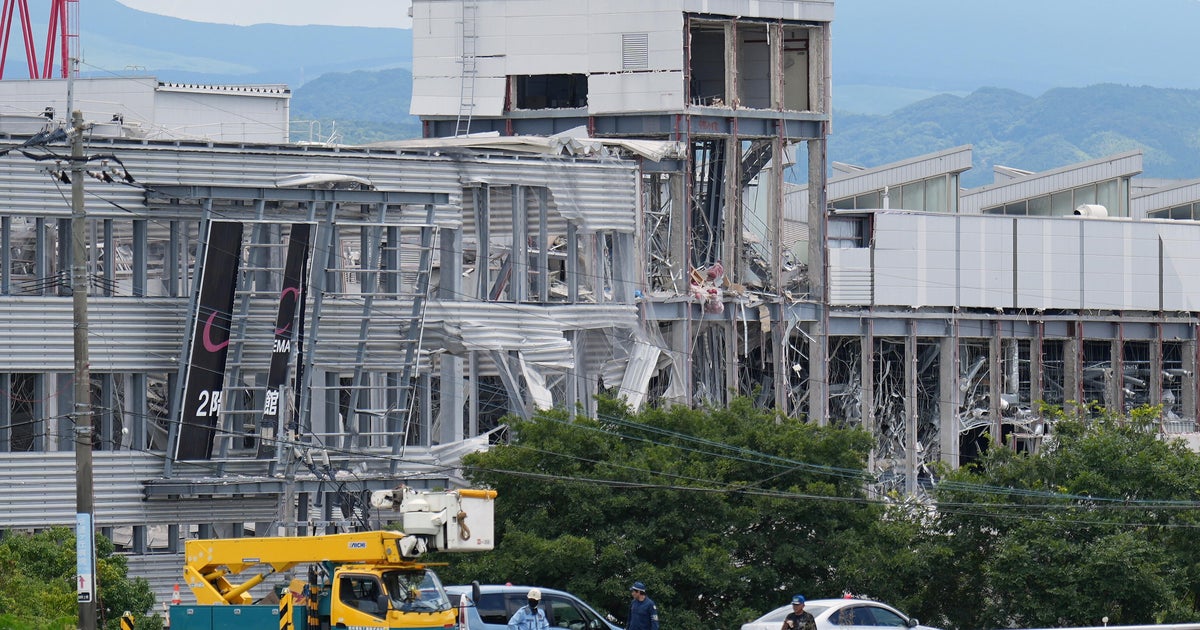
Survivors of the earthquake in Venezuela describe the damage: “Everything collapsed”

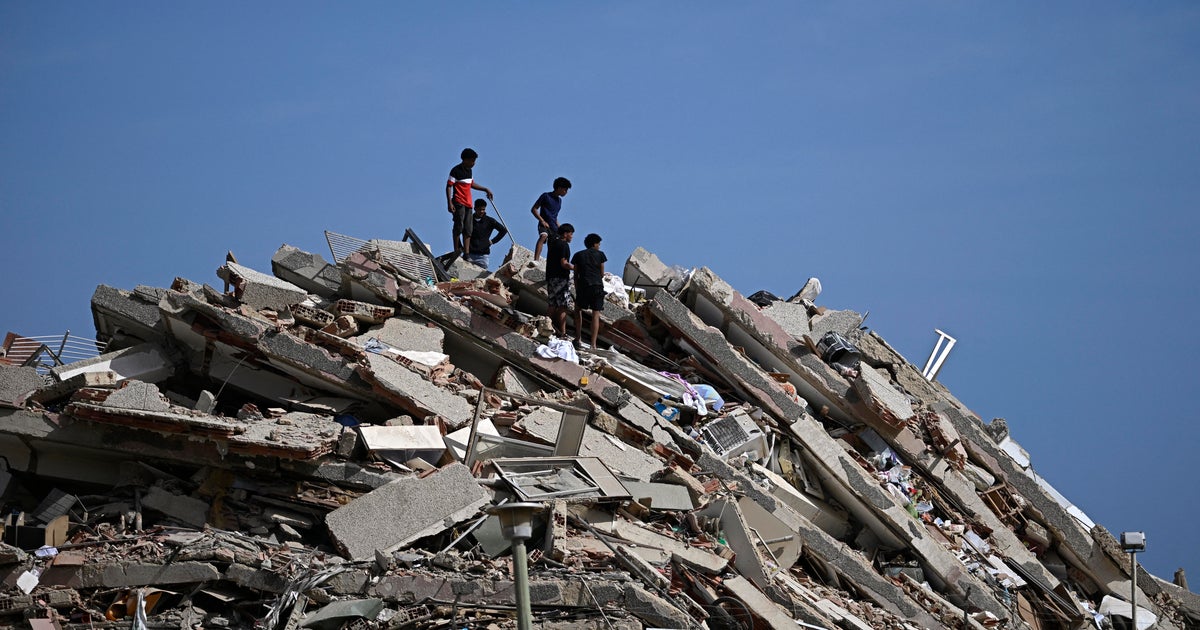
Survivors of catastrophic earthquake in Venezuela – including a reporter who was in an elevator in Caracas when the first quake struck – recounts scenes of devastation as “everything collapsed.”
The man in the elevator, reporter Tony Frangie, told CBS Mornings that the shaking was “very scary.” He was on his way to watch the World Cup match with his friends on Wednesday and he had just left his building when the earthquake started.
“I started praying and pressed all the buttons, waiting for them to open,” said Frangie. The elevator took him out to the basement of the building. When he went outside, he saw the building moving. The building remained standing, he said, and he spent the next few hours waiting as neighbors and family came down.
At first, he didn't realize how big it was. But when he went on the Internet, he heard that two earthquakes with a magnitude of 7.2 and 7.5 had struck in the west of Caracas. The earthquake was the strongest to hit Venezuela in more than a century, and was so powerful that tremors were felt in parts of Colombia and Brazil. They also lifted the tsunami warnings.
Manaure Quintero / AFP via Getty Images
La Guaira, which is a region on the northern coast of the country, was the most affected, said the acting president of Venezuela, Delcy Rodríguez. At least 164 people have been killed and more than 900 injured, Rodríguez said, with the number likely to rise as rescuers search for collapsed buildings. Rodríguez declared a state of emergency.
La Guaira resident Antonio Bermudez told AFP news agency that the tremors started “suddenly.” He said he was in his living room but escaped from his building before it collapsed.
“I started to move, I looked for shelter under the column. I was between my room and the shower. I was shaking a lot,” Bermudez's side. “I held on to the wall and the building started to come down.”
Secretary of State Marco Rubio said the US is sending search teams, medical supplies and humanitarian aid to Venezuela. He told reporters Thursday morning that he had spoken with Rodríguez and offered the full assistance of the United States. He said the US has already dispatched search and rescue teams from Fairfax County, Virginia, and Los Angeles.
Qatar and El Salvador have also offered aid, Rubio said. He said that while the “earthquake is not part of the stabilization process” between the US and Venezuela, the Trump administration will “focus on the human part of this.”
“There are people who are hurt, injured, some are dead, some are seriously injured, some are still trapped in the rubble. We will focus on that,” said Rubio. “How that fits into the broader stabilization process, I don't think we're analyzing it though that lens. It's obviously a step back from that, but we'll get through it, and I think Venezuela will come out of it stronger, despite the crisis it's facing right now.”
“We expect it to be worse”
Two earthquakes occurred within a minute, Northwestern University professor emeritus Emile Okal told CBS News. That means many people didn't have enough time to get out of the buildings they were in between the first and second rounds of shaking, Okal explained.
CBS News meteorologist Rob Marciano said the quake was shallow, about six miles deep, causing “more powerful aftershocks.”
In the Catia La Mar neighborhood, which has nearly 200 apartment towers, “everything, everything collapsed,” resident Yilsmaris Blanco told AFP.
Federico Parra / AFP via Getty Images 
“We thank God because … we are alive, but there are people who suffer when their relatives are buried, their relatives are crushed and they cannot get them out,” said Blanco, 39.
Larry Rojas, 49, said his family was trapped in the collapsed building.
“We have nothing, at the moment we have nothing, not even the strength or the courage to go in there,” Rojas told AFP. “Just think.”
Photos show buildings with large cracks and collapsed walls. Some buildings were completely destroyed. A large area is without electricity. People are not getting water, Rojas said, leaving them “dying of thirst.”
“Really, we need someone to help us, to send us equipment. That's what we need to enter the collapsed buildings,” Rojas told AFP. He said local residents are afraid to enter any buildings, even those that have been left standing, because “we are afraid that they too will collapse.”
Federico Parra / AFP via Getty Images 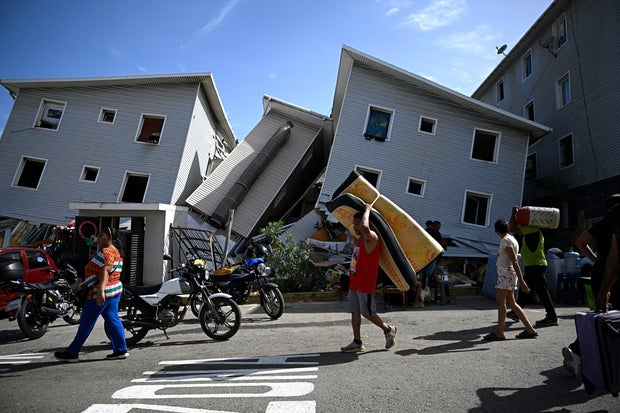
Jose Pacheco, the head of the United Rescue Group of Venezuela, told AFP that he had never seen anything like the effects of this earthquake in his 30 years of experience. He said La Guaira needs “help, above all technical assistance,” asking special teams from Caracas to go to the region.
Frangie told “CBS Mornings” that she has seen “hundreds of posts and stories and tons of messages from people” looking for help and looking for loved ones. He was supposed to finish his MBA program on Friday, but that was “definitely put on hold,” he said. Instead, he waits to see how he helps the survivors.
He also said he was afraid that the death toll would rise.
“We have seen videos of the building collapsing and an endless number of people looking for families,” said Frangie. “So, yes, we expect it to be worse.”