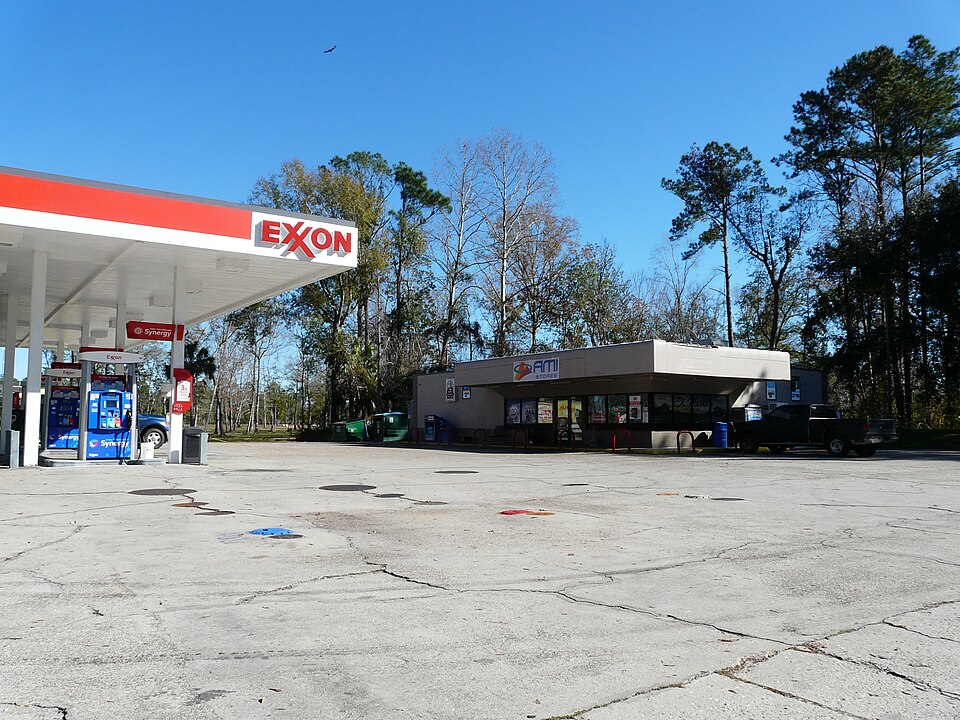
US gasoline prices jumped to $4.229 a gallon, making the Iran war a direct weekly expense for millions of drivers. The national average is now at its highest level since July 2022, with the pump shaking before households see it in broader inflation data.
A 15-gallon refill now costs about $63.44. At last year's average of $3.161, the same tank costs about $47.42. To fill the house once a week, that's about $64 more per month before higher delivery costs, transportation costs or grocery hauling costs are factored in.
The jump is being felt in household incomes, not just crude prices. Gasoline is one of the few prices that families see, hear and pay over and over again. A driver cannot wait for the markets to calm down before going to work, running to school, taking work calls, delivering orders or driving to appointments.
US gasoline stockpiles tightened as the summer driving season approaches, inventories fell by 6.1 million barrels and sit about 3% below the five-year average. That supply pressure is separate from oil's huge profits: companies like BP can report strong earnings from higher energy prices even as drivers face higher costs at the pump. AAA listed the national average for regular gasoline at $4.229 a liter, the highest level since July 2022. The Iran war has strengthened the link between the global oil crisis and household consumption. Fears of disruption around the Strait of Hormuz helped push Brent crude to record highs, with oil trading at levels that are quickly catching up to fuel costs, transportation costs and inflation expectations. The pressure is already severe in some parts of the country. California is close to $5.98 a gallon, while Hawaii, Washington, Oregon and Nevada are all above $5. Only Oklahoma, Georgia, Kansas and Arkansas are below $3.75.
The national average softens the picture. Families pay the price outside their local gas station, not the national price. The $4.23 average is already painful. A price tag of close to $6 is changing the way people think about road trips, weekend plans, commuting and discretionary spending. The increase has slowed just as demand for summer travel begins to increase. Road trips, flights, car rentals, hotels and family vacation expenses all compete with a high gas bill. For households already burdened with high food, rent, insurance and mortgage costs, fuel does not need to return to a 2022 record to squeeze budgets. The first hit falls on drivers who cannot cut miles. Long-distance commuters, delivery drivers, traders, caretakers, contractors and small business owners have little room to avoid the pump. If they can't pass the increase on to customers, the extra cost comes out of revenue, cash or savings.
Small businesses face the same problem in a different way. Vans, utility vehicles, delivery routes and heavy duty travel are expensive to operate. Some firms will accept the cost. Some will raise prices. Either way, the fuel shock starts moving beyond the front end. Buyers can end up paying twice. First comes the high cost of fuel. Then there are the costs involved in delivery costs, shipping costs, service fees and goods that are more expensive to transport. Shops and restaurants are exposed because fuel is sitting before spending money on sight. A family that spends more to fill up the car has less room for eating out, day trips, impromptu purchases and non-essential purchases. The impact may be felt quietly with smaller baskets, cheaper replacements, fewer visits and stronger demand for discount options.
Travel companies are also exposed. Higher oil prices could increase fuel costs for airlines and transport operators just as households begin to reassess summer spending. That puts pressure on both sides of the travel market: companies face higher costs while customers have less money to spare. For investors, the divide is clear. Energy producers and refiners may benefit from firmer prices, but consumer-facing sectors face a more difficult demand picture. Retailers, restaurants, airlines, delivery firms, freight companies and small service businesses are living in the path of higher fuel costs. Inflation risk is equally important. Gasoline is one of the most visible values in the economy. When drivers see gas prices going up, they tend to expect more costs to follow. That could include consumer confidence, wage pressures, business price decisions and the outlook for interest rates. The 2022 comparison provides useful context but can also soften the current crisis. Gas prices are still below the AAA record of $5,016 set in June 2022. But today's hike hits households after several years of higher living costs. The price doesn't have to break a record to hurt the monthly budget. The next phase is time dependent. A short spike above $4 is painful but manageable for most households. Prolonging at this rate can be very dangerous, especially for low-income drivers and families outside major cities where car use is not an option.
The war in Iran has now moved from oil markets to domestic spending decisions. If crude prices remain high, costs will go up with transportation, transportation, delivery, small business margins, retail spending and inflation expectations.
The national average of $4.23 means that Iran's war is already reaching weekly spending at home, and millions of drivers are paying for it one tank at a time.
More from Finance Monthly: $25 Minimum Wage: The Hidden Costs of Jobs, Prices and Small Businesses