
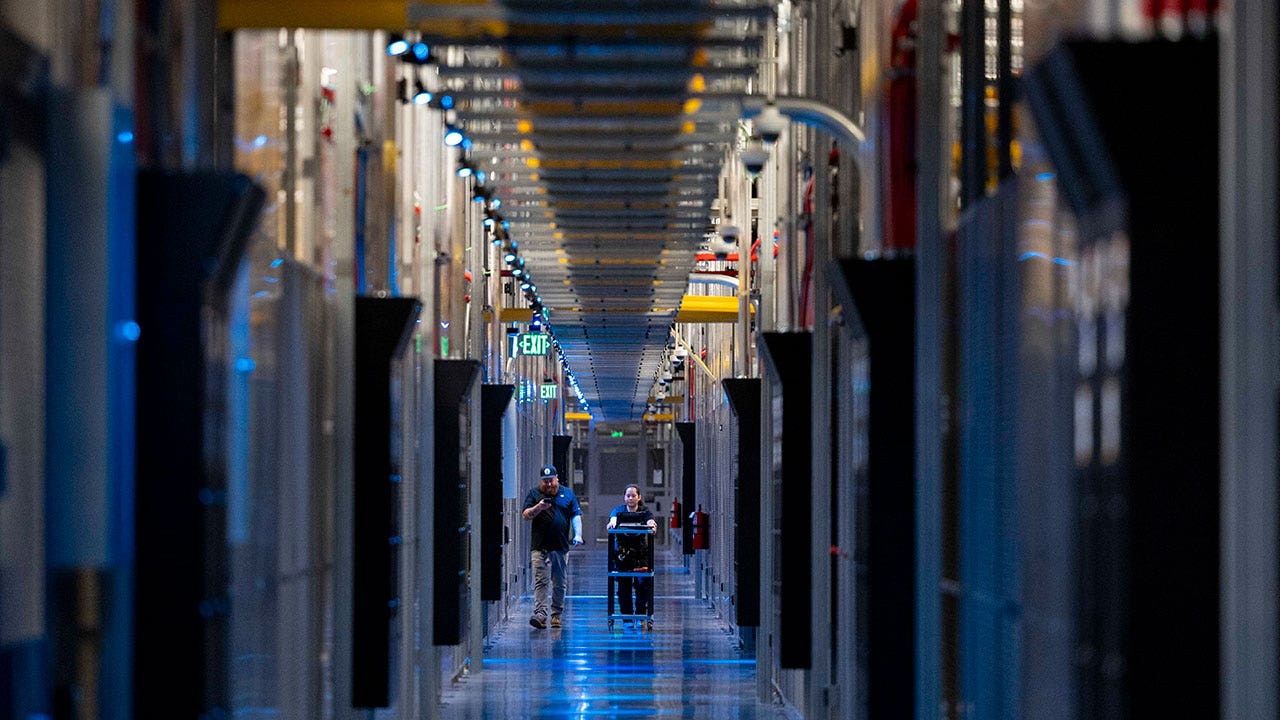
Harrison Street Asset Management co-founder Christopher Merrill joins 'Mornings with Maria' to discuss the growing demand for data center capacity in the US and around the world.
Oregon's utilities regulator is implementing a new law that goes into effect Wednesday that will raise electricity bills for data centers and other large energy users to allow lower rates for some customers.
The Oregon Public Utility Commission (PUC) has approved revised electricity rates for data centers and other residential and commercial customers that Portland General Electric (PGE) was required to change under a state law known as the Protecting Oregonians With Energy Responsibility (POWER) Act.
Under the rule, PGE will increase rates by an average of 29% for data center customers, while residential customers will see an average decrease of 1.3%, commercial rates will decrease by an average of 2.1% and other industrial customers will decrease by an average of 1.4%. The PUC estimated the move would affect about 963,000 customers throughout PGE's service area.
“These changes ensure that the costs incurred by data centers in the PGE area are more accurately reflected in their rates,” said Commission Chairwoman Letha Tawney. “By putting this structure in place now, we're getting ahead of a big issue, making responsible data centers pay for themselves and protecting customers from higher costs in the future.”
VIRGINIA COUNTY URGES ENERGY CONSERVATION MEASURES Amid 25% ELECTRICITY INCREASE, DATA CENTER GROWTH
Data centers in PGE's footprint will pay higher electricity rates under the new Oregon law. (Amanda Andrade-Rhoades for The Washington Post via Getty Images)
The PGE rate changes officially go into effect Wednesday after a monthlong review by the PUC, after the changes were delayed from their original effective date in early June to accommodate a more thorough review. It is the first utility in Oregon to implement the new rate schedule for data center customers under the law.
The ENERGY Act was signed into law last year by Gov. Tina Kotek after the law passed the Democratic-controlled state legislature with votes that were largely aligned with party lines in both chambers.
Kotek said in a statement that the POWER Act was “intended to ensure fairness and accountability when large energy users, such as data centers, take on additional burdens on Oregon's power grid.”
DATA CENTER BOOM THE BOOM POWER AI REVOLUTION COULD HELP US GRIDS – AND FINANCIALS
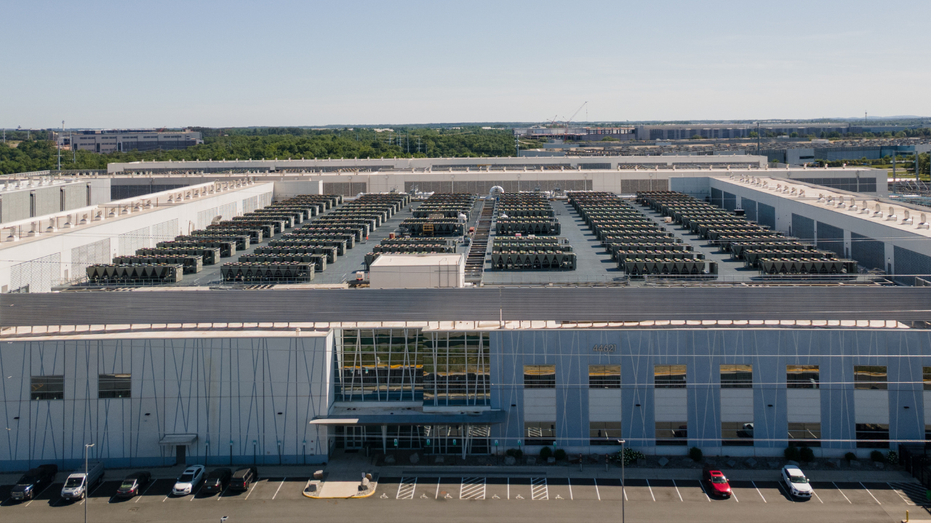
Data centers help power AI models and enable cloud storage and other digital tools. (Lexi Critchett/Bloomberg)
Oregon's move comes amid concerns about the impact of the rapid construction of data centers powered by artificial intelligence (AI) tools on the electric grid and the costs borne by consumers and other businesses.
The Data Center Coalition, a group that represents data center owners, operators and builders, said it supports efforts to protect consumers from price increases and data centers paying for the cost of increasing grid capacity but told FOX Business that the Oregon PUC's order is “very inconsistent with the best practices and methods used in many other states.”
DATA CENTERS ARE RAPIDLY CHANGING YOUNG AMERICA
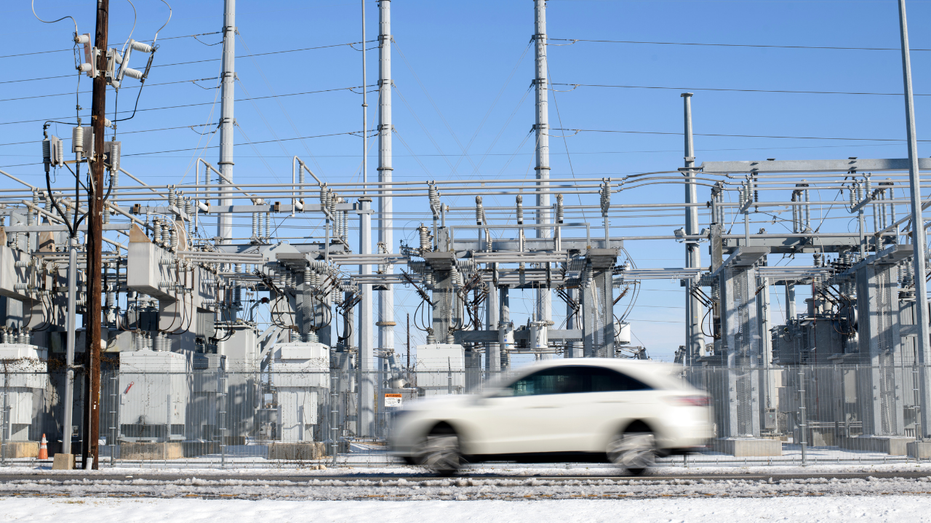
The rapid construction of AI data centers has increased the load on the electrical grid. (Mark Felix/Bloomberg via Getty Images)
Aaron Tinjum, DCC's vice president of energy, said in a statement sent by FOX Business that the group has petitioned the Oregon PUC to reconsider its order, stressing that the data center industry “is committed to paying its full energy costs to ensure that those costs are not passed on to other customers.”
“A viable approach, like those established in other markets, must be cost-effective, protect existing customers, and provide data center customers with a clear path to continue to help drive clean energy and economic growth in Oregon,” Tinjum said.
GET FOX BUSINESS ON THE GO BY CLICKING HERE
“Protections must be evidence-based, carefully planned, and based on specific cost risks; otherwise they risk creating market friction, introducing uncertainty, and making Oregon unpredictable and uncompetitive.”


