President Donald Trump has signed an executive order that could give crypto and fintech companies access to the heart of America's banking infrastructure, sparking a major battle over who controls the future of digital payments in the United States.
The order, signed May 19, directs federal regulators to review rules the White House says protect big banks from competition while curbing financial institutions. Agencies are now being pushed to reconsider the barriers that have kept many fintech startups, payment platforms and crypto businesses out of key parts of the US payment network.
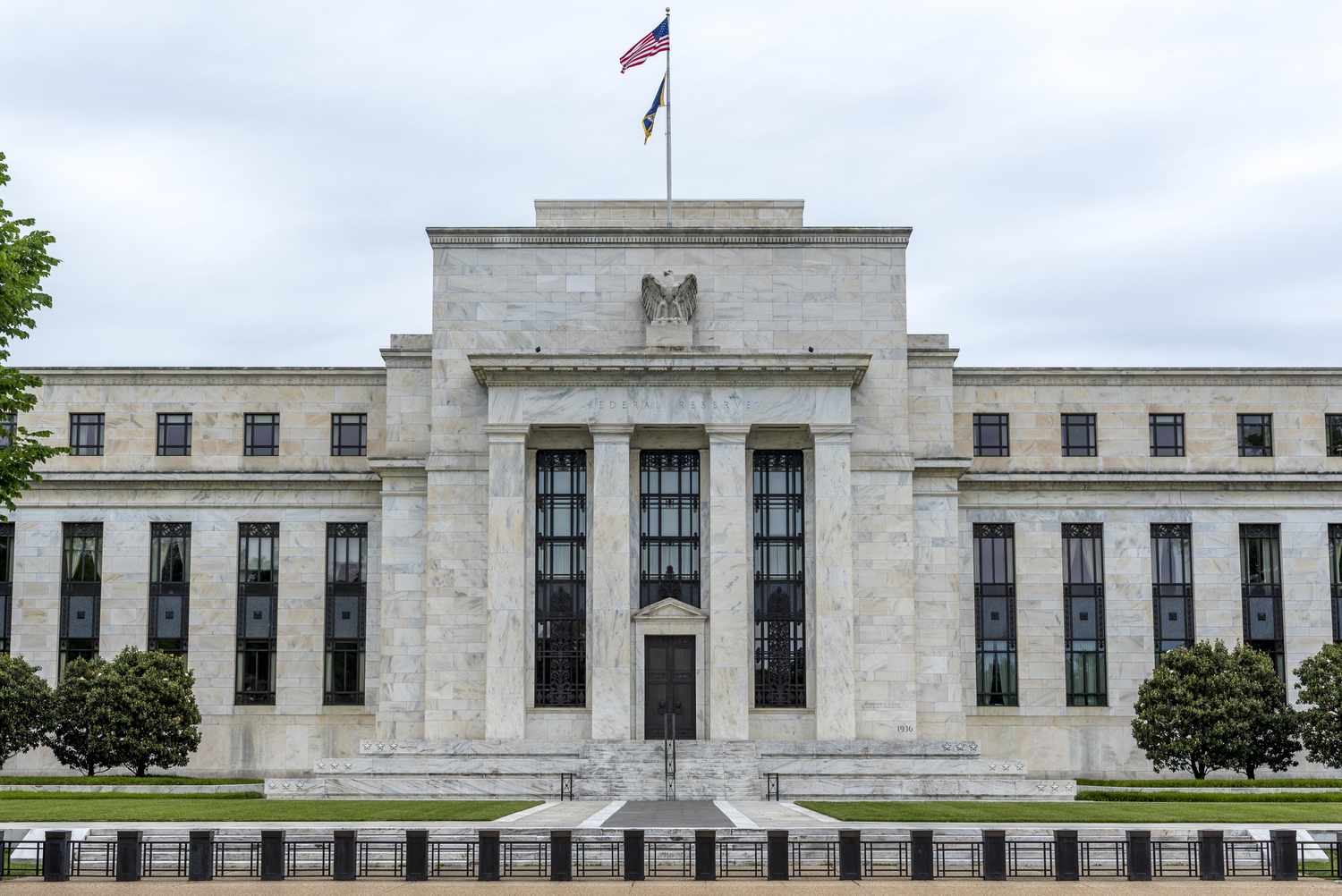
For Wall Street banks, the threat is clear: companies that once relied on them to move money could end up competing directly with them. At the heart of the order is a request that the Federal Reserve examine whether uninsured financial companies and digital asset businesses should receive broader use of Federal Reserve payment accounts and services.
If regulators eventually allow wider participation, some fintech and crypto companies may completely bypass parts of the traditional banking system, moving money quickly and cheaply without relying heavily on established lenders.
That could reshape large parts of the financial industry, from digital banking and online lending to payment apps, stablecoins and cross-border money transfers. Executives say outdated oversight and disparate regulations have made it more difficult for small technology companies to compete with large financial institutions.
Inside the banking sector, executives are already weighing how much influence big banks could lose if technology-driven financial companies gain deeper access to the payment channels that power the US economy.
Many large lenders have spent years partnering with fintech companies in digital payments and online financial products. Now, some of those same businesses could become direct competitors if regulators open up the system further. Legal commentators say the order notes a a sharp break in the most restrictive path taken during the Biden administration, when regulators refused to grant broader payment-network participation to many crypto and fintech operators.
Government regulators now have 90 days to identify laws and regulations that could delay fintech partnerships or delay the approval of charters, licenses and financial authorizations. Within 180 days, the agencies are expected to begin taking steps designed to encourage financial innovation.
That timeline is already causing tension across the banking and digital payments industries.
Fintech and crypto companies embraced this move almost immediately. Many have spent years trying to get closer to the core of America's financial infrastructure than working in banks. Consumer groups are reacting with caution, warning that lax oversight of digital lending, crypto-linked products and fintech-bank relationships could expose consumers to greater risks of fraud, cyber security and finance.
The order does not immediately open up the Federal Reserve's programs to non-banking companies, and regulators are still controlling how aggressively the policy is implemented. Legal and operational obstacles have also not been resolved, especially regarding anti-money laundering laws, protecting cyber security and financial stability.
Still, the message from Washington is becoming too difficult for the financial industry to ignore: The White House wants fintech and crypto businesses to play a bigger role within the American banking system.
If regulators move aggressively, consumers could eventually see faster payments, more digital banking options and a growing number of financial services that operate outside of the traditional banking model.
For the big banks, however, the order indicates something much bigger – the possibility that control of the US monetary system will begin to gradually shift to a new generation of technology-driven financial companies.