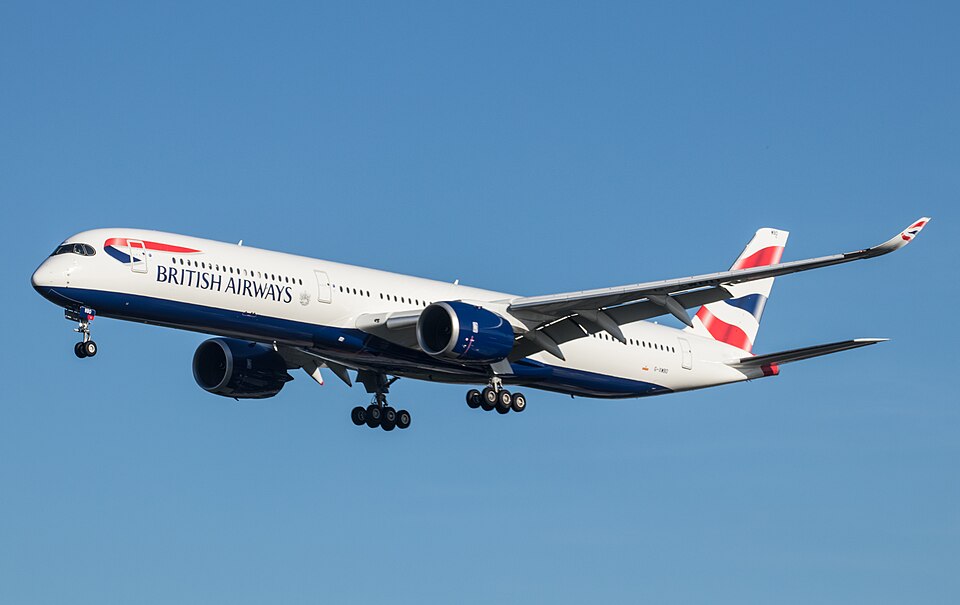
IAG shares fell because the owner of British Airways warned that higher jet fuel costs, linked to the Iran war and broader pressure on the oil market, would reduce profits, capacity growth and free cash flow. The group now expects its fuel bill for 2026 to reach around 9.0 billion euros, leaving investors to judge how much of that shock can be passed on to costs without reducing travel demand.
The first quarter numbers were not the problem. IAG reported Q1 revenue of €7.18bn, up 1.9%, operating profit of €351m, up 77.3%, and profit after tax of €301m, up 71.0%. Investors are looking beyond those figures because the company's fuel warning changes the profit picture for the rest of the year.
Why Are IAG Shares Falling?
IAG has told investors that full-year profits will be lower than expected in early 2026, and fuel costs are now estimated at €9.0bn based on the fuel curve from May 5, 2026. The fuel curve is the market's view of where fuel prices are expected to stay in the coming months, so fuel looks more expensive before future airlines become more expensive. IAG is 70% hedged for the remainder of the year, meaning it is already locked in on prices for a large portion of its expected fuel needs. That gives the group some protection from further price increases, but it doesn't completely remove pressure. The remaining unhedged fuel must still be purchased at market prices, and the hedge does not prevent a higher fuel curve from balancing the group's profit outlook.
Airline stocks can fall even when demand appears strong because costs tend to move faster than revenues. IAG said demand for travel remains strong in its major markets and revenue booked for Q2 was around 80%, in line with historical levels. The market reaction shows that investors are more focused on what higher fuel costs will do to future margins than IAG achieved in the first quarter. Shares in IAG fell after the update, with AJ Bell reporting down 4.1% to 380.05p in London trading. That move reflected concerns that fuel, capacity and fare pressures could reduce IAG's cash availability for growth, debt reduction and shareholder returns.
How Iran War Fits into IAG's €9bn Fuel Bill
The war in Iran has pushed up oil and gas costs, and IAG's review shows how that pressure can shift from global markets to airline earnings. At the airline group that owns British Airways, Iberia, Aer Lingus, Vueling and LEVEL, fuel is one of the main costs that determine payouts, margins, power plans and free cash flow. IAG said the first quarter had not been affected by the conflict, but expected the impact to increase significantly over the course of the year as fuel costs rose across the business. That turns the Iran war from a geopolitical event into a direct financial pressure on airlines and passengers.
The group said the summer issue was more about price than availability, and it remained confident about the availability of jet fuel in its major markets. Obviously, IAG is not saying it expects to run out of fuel. The problem is that the fuel it needs is very expensive, making it more of a financial issue than a practical one at the moment.
How the €9bn Fuel Bill Makes a Profit
Fuel is one of the most difficult airline costs to manage because it moves with global energy markets, geopolitics and supply refining rather than just passenger demand. IAG can hedge, change routes, reduce capacity, raise fares and deploy new aircraft, but the €9bn annual fuel bill still has to show up somewhere: lower margins, higher prices, reduced capacity growth or weak free cash flow. Free cash flow is the cash left over after a company covers its operating expenses and spending on investments. For an airline, it helps finance new planes, debt reduction, shareholder returns and financial flexibility. When fuel takes up a large portion of the income, there is little money left for those essentials. IAG expects to recover around 60% of higher fuel costs this year through revenue and cost control measures. That means the company believes it can mitigate part of the increase through fares, route selection, cost savings and other commercial decisions. It also means the remaining gap. Passing on more money to ticket prices is a risk to test passengers' willingness to pay. Getting more increases protects demand but puts pressure on margins. Reducing excess capacity protects prices but limits volume growth in markets where demand remains strong.
British Airways sits near the middle of that trade because IAG's regional exposure to the Gulf before the conflict was largely driven by BA, with smaller exposures to Iberia and Vueling. The group is already redistributing capacity from affected routes to markets with strong direct demand, including India and Nairobi to the US, while also shifting Iberia and Vueling capacity to domestic Spain.
Will Passengers Pay Higher Fees?
The risk for investors now is how much the fuel will be increased for passengers. IAG says demand remains strong in its major markets, but the group has already lowered expectations for growth from a 3% rise in February to around 1% in Q2 and 2% in Q3. Capacity refers to the number of seats and planes that an airline makes available. Low capacity can help protect prices, because fewer seats can make it easier to hold down fares, but it also limits the amount of additional revenue an airline can earn from increased volume.
Fare increases are easier to pass up when demand is strong, especially in high-flying and long-haul markets where British Airways has strong pricing power. The risk is that airline customers are also facing a wide range of cost pressures from cash flow, household budgets, fuel prices and high energy costs. Expensive flights go directly into the cost of vacations, business trips and long family trips.
The latest Monthly Inflation tracked a range of costs in housing and energy markets, from Eurozone currency and the risk of an ECB rate cut to UK inflation and growth pressures and the RAC's fuel price warning to drivers. IAG brings air travel to that wider pressure on consumers.
What Investors Are Paying Now
IAG's first quarter performance was weak. Operating margin before extraordinary items rose to 4.9%, up from 2.8% last year, and total debt fell to €4.18bn from €5.95bn at the end of 2025. The operating margin shows how much profit the business makes from its operations for each euro of revenue, before certain one-off items. Net debt is the amount owed by the company after taking the cash account. In both measures, IAG entered the fuel cost shock from a stronger position than last year. The sale reflects a difficult profit bridge to the end of the year. A company can take a hit in Q1 and still lose market confidence if the next few quarters look more expensive than expected. IAG must now demonstrate that fare increases, rerouting, hedging and cost controls can protect cash flows without hurting demand.
IAG still expects to generate significant free cash flow in 2026, but now expects it to be less than the €3bn it guided in full-year results in February. The group also reduced expected capital expenditure to around €3.5bn, from €3.6bn. Capital expenditure refers to money spent on long-term assets such as aircraft, engines, technology and infrastructure. IAG also remains on track with €1bn of surplus cash until February 2027, meaning the planned return of surplus cash to shareholders is still expected to continue. That combination explains the share price pressure. IAG is not facing a drop in demand, but it is facing a fuel cost shock large enough to reduce capital available for growth, shareholder returns and balance-sheet flexibility. The airline may be able to reimburse some of the costs, but not all, without assessing the passengers' willingness to pay.
A similar geopolitical thread is already showing up in energy company earnings and consumer fuel costs. Finance Monthly covered US fuel prices as the Iran war hits domestic budgets, Shell's profit beat and BP's share price reaction and profit, oil prices and consumers. Airlines sit at the other end of that power price scale: what could lift oil and gas producers could squeeze carriers and passengers.
IAG shares fell as investors treated the €9bn fuel bill as a viable margin risk rather than a one-off headline. British Airways and the wider IAG group still have strong demand, hedges and a better balance sheet than in previous cycles, but the next test is whether the company can increase fares and rework capacity without weakening the travel demand that has underpinned its recovery.
Related Reading
Eurozone Inflation Hits 3% as ECB Rate Cuts Face New Risk
Inflation and growth in the UK: Analysis for March 2026
RAC Fuel Price Alert: Motorists Pay More
US Gas Prices Hit $4.23 as Iran War on Domestic Budget
Shell Beats Profit Forecasts, So Why Are Its Shares Falling?
BP Profits, Iran War, Oil Prices, Consumers and Businesses
Image description –