The signals from Omaha are clear: Although the face of the company has changed, a commitment to capital preservation and long-term value remains at the core of the Berkshire model.
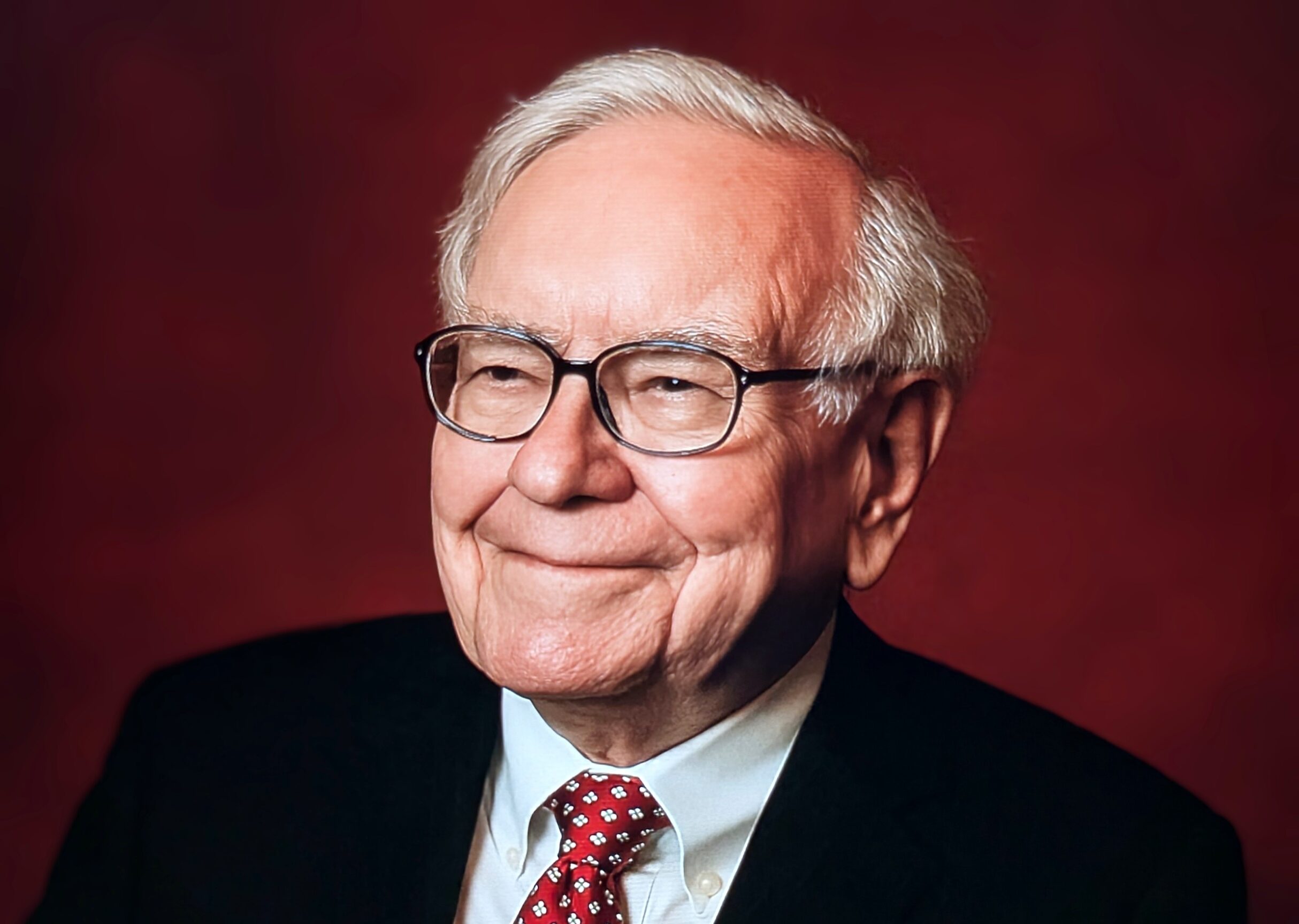
Wearing a purple sweater instead of his signature suit, Warren Buffett attended Berkshire Hathaway's May 2 annual meeting in Omaha, Nebraska – as a member of the audience. It was the first time in six decades that the iconic investor did not lead the meeting, and the first full public test of his successor, CEO Greg Abel.
For executives watching from afar, the meeting presented a framework for navigating capital allocation, liquidity, and management change amid uncertain global conditions. The signs of the meeting were read not only by long-term Berkshire shareholders in the room, but by institutional investors and CEOs around the world.
Lots of Money
Berkshire ended the first quarter with a record $397 billion in short-term funds — up nearly $24 billion from year-end 2025 — after a long run as a net seller of public equities. To some observers that looks like a handicap. For those who have studied the company, it reflects Berkshire's investment philosophy: Don't act when the environment is unattractive, and keep enough capital to work diligently when it does.
Chris Bloomstran, President and CIO of Semper Augustus Investments Group, laid out the current financial situation at the post-meeting investor conference. Buffett began to realize that the stock market was too valuable in 1966 and stopped taking money from his partnership, returned the money in 1969, and went into insurance – a structure that gave him a low float, including. The current accumulation is a variation on that same feeling. Berkshire moved $100 billion over the past two years from its insurance companies to a holding company.
That placement has broad industry implications.
“The power to spend aggressively in a downturn remains concentrated in a small number of market participants,” said Sean Kevelighan, CEO of the Insurance Information Institute. “Those with a different level, liquidity, flexible underwriting, and appetite for large or complex risks.” Such institutions, he added, serve as important sources of energy in times of stress, especially in the crisis market.
Berkshire's reluctance to buy back its stock, despite having plenty of cash, has a message, said attendee Glenn Cameron, Global Head of Onramp Institutional in London. If a company holds a fund of money but refuses to invest it even in its own shares, management is effectively saying that it considers its stock to be worthless. That's a clearer statement than most companies are willing to make — and it reflects the same discipline that has defined Berkshire's dividend history.
Cameron also said that if AI increases unemployment and drives asset depletion, the Federal Reserve will be pressured to increase the money supply to service existing debt. That flexibility makes the duration and composition of liquid assets a strategic decision for the C-suite, not relegated to the cash management desk.
Succession Framework
Greg Abel began his career as an accountant and auditor before rising to Berkshire Hathaway Energy to vice chairman and then CEO. The transition from Buffett to Abel has been planned for years, but news of the change sent shares of the stock ( BRK.B ) down more than 5 percent when the transition was announced last year.
Differences are emerging between the two leaders. Buffett has a known soft side and tolerates underperforming businesses longer than other owners.
Abela is different.
“He's going to coach the managers and bring them together,” said investment firm owner Bob Robotti, who added that Abel has shown he won't tolerate long-term underperformance.
For senior financial managers within institutions managing their succession or evolution of governance, the Berkshire model offers ideas to consider. Build a culture deep enough that it doesn't need the founder to live. Make sure the successor manages the business before inheriting the title. And it is full of governance structures and stakeholders who are motivated to protect the long-term status of the institution, not to extract short-term value.
In his first letter to shareholders as CEO, Abel wrote that Buffett, who is 95, works in the office five days a week and is available to make capital allocation decisions. Abel has pledged to remain a steward of Berkshire's principles while making it clear that the next decade will separate organizations with sustainable operating models from those that rely on short-term opportunities.